



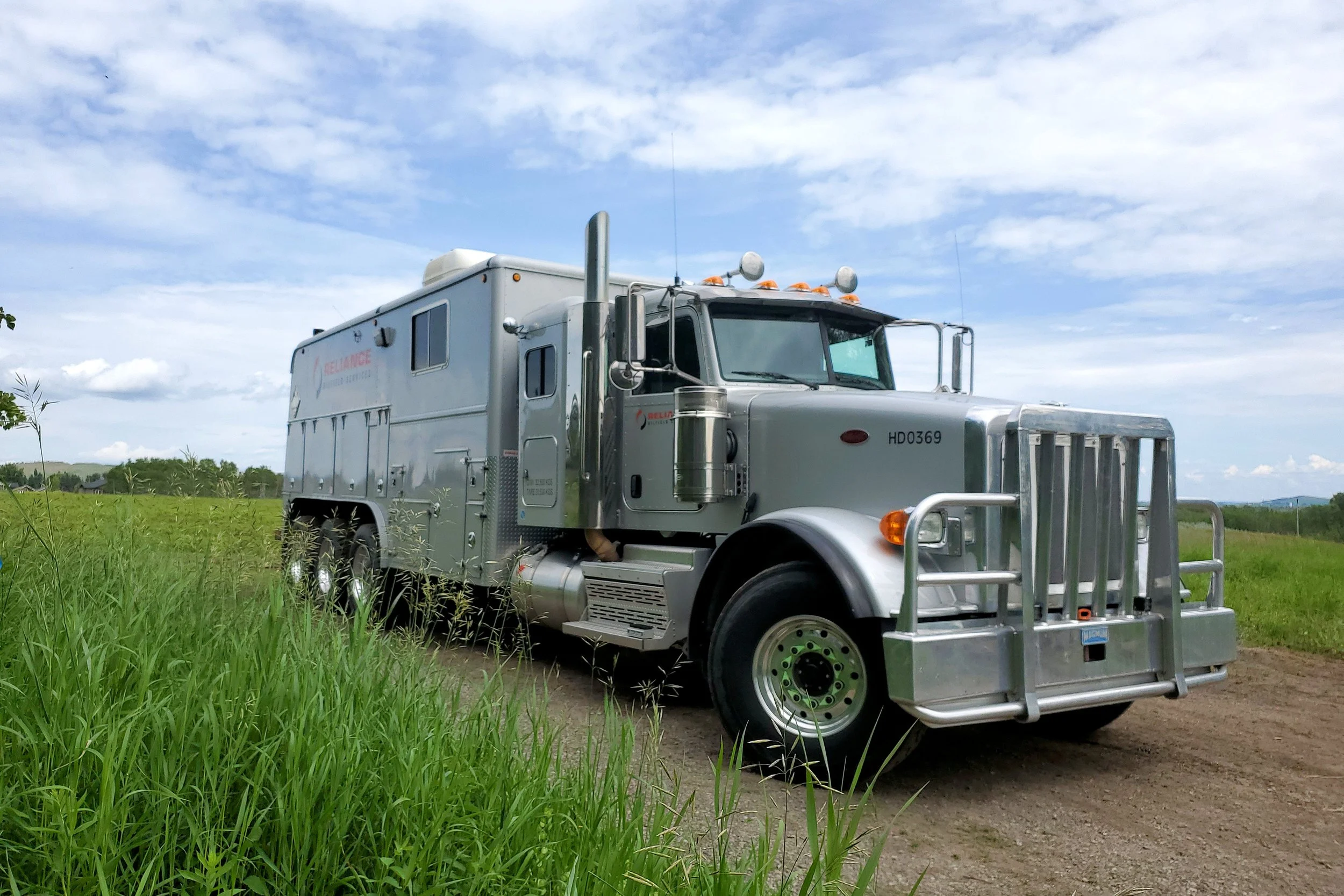
Wireline operations are a common component of well intervention and maintenance activities in the oil and gas sector. These operations involve lowering tools and instruments into a wellbore on a cable to gather data, perform interventions, or assist with production-related tasks. Because wireline activities interact with pressure control systems, surface equipment, and personnel in close proximity to moving parts, a thoughtful approach to safety is important to support both worker wellbeing and reliable results in Canada’s oil and gas environment.
Understanding the Hazards in Wireline Work
Wireline operations encompass a range of activities that can introduce hazards if not managed through careful planning and control. A wireline system typically consists of a steel cable — sometimes incorporating electrical conductors — spooled from a powered reel to run instruments or tools into and out of a wellbore. These operations may be conducted on wells that are under pressure or static, and both scenarios carry variable well control and mechanical risks. Pressure control equipment, tool handling, and the potential for dropped objects are a few of the elements that can contribute to operational hazards without proper mitigation.
To support safer outcomes, it is useful to first identify where risks may occur and adopt a risk-informed approach that addresses them systematically.
Planning and Risk Assessment Before Operations
Safety in wireline operations starts with planning and risk assessment. A pre-job plan helps define the task objectives, anticipated conditions, and required safety measures. Planning often involves reviewing well history and conditions, aligning expectations among surface crews and wireline teams, and establishing clear communications.
A structured risk assessment considers site-specific challenges — such as environmental conditions, expected pressures, and equipment limitations — and identifies controls to reduce risk levels. For example, if a well has known pressure variability, the plan might include additional pressure control checks and contingency procedures to respond to atypical changes. This helps prepare teams and provide clarity on roles, responsibilities, and escalation pathways.
Equipment Inspection and Maintenance
Ensuring that equipment is in suitable condition before the job begins is a key step in promoting safety. A thorough inspection of the wireline cable, sheaves, winches, lubricators, pressure control devices, and associated rig-up components can reveal wear, corrosion, or mechanical defects that could affect performance.
Pressure control systems — such as wireline valves, grease injector heads, and sealing devices — help manage wellbore pressure at the surface. Best practices recommend testing these devices regularly under anticipated conditions to help verify their function, support pressure containment, and improve confidence in their performance.
Maintaining accurate records of inspections and maintenance also allows teams to identify recurring issues and address them proactively before they contribute to unplanned events.
Establishing Clear Work Zones
Once equipment is inspected and the site is prepared, establishing and marking clear work zones helps manage the proximity of personnel to moving parts and pressure-controlled areas. Designated zones define where trained workers should operate and where others should avoid during key phases of the wireline job.
Non-essential personnel are typically advised to remain outside areas with potential hazards, such as near moving cables, sheaves, or pressure control gear. Barriers, signage, and informal communication tools like hand signals can help reinforce awareness of these zones and reduce unnecessary access to high-risk areas.
Personal Protective Equipment and Team Awareness
Wearing appropriate personal protective equipment (PPE) remains an important aspect of site safety. PPE such as hard hats, safety glasses, gloves, protective footwear, and flame-resistant clothing helps reduce the severity of common field hazards. PPE requirements should align with workplace policies and consider factors such as weather, surface conditions, and task complexity.
In addition to PPE, promoting active situational awareness among team members supports safer operations. Wireline crews and supporting personnel benefit from regular briefings and reminders about task-specific hazards, changes in conditions, and communication expectations. Daily toolbox talks or pre-shift safety check-ins provide an opportunity to confirm that all team members understand their roles and any potential challenges for the upcoming job.
Managing Pressure Control and Line Operations
Maintaining control over well pressures and the physical behavior of the wireline itself is a major focus during these operations. Confirming well barriers and verifying that pressure control equipment is set up correctly helps teams be better prepared for expected and unexpected well conditions.
Managing line tension and speed also contributes to safer runs. Operating the wireline at a controlled, measured pace with appropriate tension limits helps reduce the risk of line breakage or tool drop. Monitoring surface pressure data and communicating changes in real time gives teams a shared understanding of evolving conditions so they can adjust their approach as needed.
Training, Competence, and Emergency Preparedness
Competence in wireline operations and related safety procedures supports a safer work environment. Workers involved in these activities benefit from formal training that includes wireline techniques, pressure control principles, hazard recognition, and response procedures. Many organizations adopt recognized training programs that reinforce technical knowledge and safe conduct.
Emergency response plans tailored to wireline tasks help crews prepare for scenarios such as line parting, loss of pressure control, or dropped tools. These plans outline steps to take in response to unplanned events, including communication protocols, shut-in procedures, and equipment isolation methods. Conducting drills and tabletop exercises familiarizes teams with the actions they should take, helping reduce uncertainty and improving overall readiness.
Communication and Coordination
Effective communication and coordination among surface and wireline crews are fundamental to maintaining safety. Clear communication expectations — including agreed signals, two-way radios, and briefing/debriefing protocols — help ensure that critical information is shared promptly.
Before operations begin, crews should confirm communication channels, establish emergency contacts, and agree on task progress updates. Maintaining a shared understanding of job progress and potential hazards promotes a cohesive approach to risk management.
Conclusion
Safety during wireline operations in the oil and gas sector is supported by planning, inspection, training, teamwork, and informed decision-making. While wireline activities involve interactions with pressure systems and moving equipment that carry inherent risks, a risk-informed approach helps teams manage those risks thoughtfully. By applying industry-recognized practices — such as pre-job planning, equipment maintenance, clear work zones, appropriate PPE, and ongoing communication — operators can foster a safer working environment that supports both personnel wellbeing and operational continuity.
Regular review of procedures and adaptation to evolving best practices also contributes to continuous improvement in safety performance across wireline jobs in Canada’s energy sector.