





Introduction
Effective cable management is essential for maintaining safe, accessible, and organized electrical installations. Industrial plants, offices, commercial complexes, and manufacturing units often use ladder cable trays and raceway systems to route electrical cables. Understanding their differences helps project teams choose suitable cable management products.
What Is a Ladder Cable Tray?
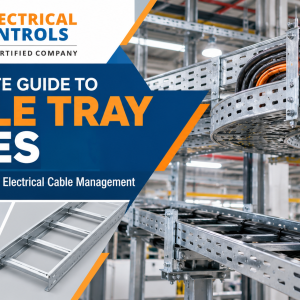
A ladder cable tray features two side rails connected by cross members, creating an open structure for supporting cables. It is particularly useful for long cable routes and installations involving substantial cable loads.
The open design supports ventilation and allows convenient access for cable inspection. However, the correct tray dimensions, support arrangement, and loading capacity must be determined for each installation.
Benefits of a GI Ladder Cable Tray
A GI ladder cable tray is typically manufactured from galvanized steel and is widely used in industrial electrical systems. Its protective zinc coating helps resist corrosion under appropriate operating conditions.
Common applications include:
- Manufacturing plants and industrial facilities.
- Power distribution and utility installations.
- Commercial buildings and warehouses.
- Large cable routing systems.
The tray's thickness, finish, and load rating should be checked before purchasing.
Understanding Raceway Systems
A raceway provides an enclosed or channel-based route for electrical wiring, depending on the product design. Raceways can help protect and organize cables in buildings, offices, control panels, and other electrical installations.
GI Raceway
A GI raceway is commonly used where a metal cable routing solution is required. Material thickness, dimensions, installation method, and environmental exposure should be considered before selection.
Powder Coated Raceway
A powder coated raceway offers a finished surface that can improve appearance and provide additional protection when the coating is suitable for the environment. It is often used in commercial and indoor installations.
Cable Tray Design and Installation Considerations
A reliable cable tray design should account for cable weight, routing direction, support spacing, bends, tees, reducers, and access requirements. Engineers should also check separation requirements for power and communication cables and follow applicable electrical codes.
When choosing cable tray sizes, measure the required cable capacity and allow suitable space for maintenance and future additions. Proper planning reduces congestion and supports easier troubleshooting.
How to Compare Cable Tray Price
Cable tray price varies based on material, dimensions, thickness, surface treatment, load requirements, and accessories. Ladder trays and raceways may have different pricing because their structures and applications differ.
Request quotations based on consistent specifications so that products can be compared fairly.
FAQs
Q1. What is the difference between a ladder cable tray and a raceway?
A ladder cable tray has an open rung-based structure, while a raceway typically provides a channel or enclosure for routing and organizing cables.
Q2. Where is a GI ladder cable tray used?
It is commonly used in factories, industrial plants, utility facilities, and large electrical installations.
Q3. What is a GI raceway?
It is a metal cable routing channel or enclosure manufactured from galvanized iron or galvanized steel, depending on the product specification.
Q4. Is a powder coated raceway suitable for offices?
Yes, it can be a suitable option for office and commercial wiring when its dimensions, finish, and installation method meet project requirements.
Q5. Which factors determine cable tray design?
Cable load, cable quantity, route length, support spacing, environmental conditions, and maintenance access are important considerations.