
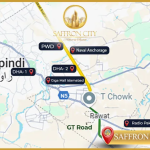

Saffron City Master Plan: Phases, Blocks and Development Stages Explained
Saffron City master plan is often shown as one finished picture, but large projects are built in stages. The project is advertised on GT Road near Rawat, between Islamabad and Rawalpindi, with plots from 5 Marla to 1 Kanal and installment offers. Online details vary between sources, so this blog explains how development stages work and what to ask about each one.
Why Projects Are Built in Stages
Developing a large area takes time and money, so developers usually open some blocks first and leave others for later. A master plan can therefore show the final vision, while only part of it exists today. Knowing which stage your block belongs to helps you set realistic expectations.
Blocks and Their Status
Some listings mention blocks such as A and B when advertising 5 Marla plots. Ask the seller which blocks are open for sale, which are developed and which are still waiting for work. For each block, ask whether roads are laid, boundaries are marked and utilities are available.
Questions to Ask About Each Stage
- Which stage or phase does my block belong to?
- What has been completed there, and what is still pending?
- When is the next stage expected to start and finish?
- Are those dates in writing, or only verbal estimates?
- What happens to my plot if a stage is delayed?
Treat any date as an estimate until it appears in the agreement.
Roads, Utilities and Common Areas
The most useful facilities come first in a well-run project, usually roads, water, electricity and drainage. Parks, schools and commercial areas often come later. Ask which of these already reach your block and what connection fees apply, and plan for any gap before you can live there.
How Stages Affect Your Plot
A plot in an early, developed block may be easier to build on sooner, while a plot in a later block may involve a longer wait. A file or booking is usually a claim to a future allotment, so the exact plot and its stage may not be fixed yet. Ask how and when your plot will be assigned.
Check the Approved Plan
Brochures and marketing maps do not always match the approved plan. Ask for the approved version, and note the project name, date and approving authority on it. Some listings mention RDA approval or an NOC, but an advertisement is not proof, so confirm the approval directly with the relevant authority.
Compare the Plan With the Ground
On a site visit, bring a copy of the plan and compare each block with what you see. Mark what is finished, in progress and only planned, and take dated photos. Ask the seller to point out your exact plot and the nearest completed road.
Watch Your Costs
Development charges may be tied to stages, so ask whether they are included in your plan or charged separately, and when they fall due. Add transfer fees, membership or booking charges and taxes to your budget, and compare total cost instead of the headline price.
Protect Yourself in Writing
Ask for the plot number, block, size, possession date and any stage-related conditions to be written into the agreement. Verify the developer’s registered name, since online sources disagree on it. Pay by bank transfer or pay order, keep every receipt and have a lawyer review the agreement before you sign.
Final Thoughts
Understanding stages turns a master plan from a promise into a timeline you can question. No one can guarantee future prices or completion dates, so invest only money you can set aside for years, after checking the Saffron City master plan against the approval and the ground.