Understanding Ball Type Non-Return Valve with Flanged End
In industrial piping systems, ensuring a smooth and unidirectional flow of fluids is critical. One of the most reliable solutions for this purpose is the Ball Type Non-Return Valve with Flanged End. This valve is designed to prevent backflow, protecting pumps, compressors, and other critical equipment from damage caused by reverse flow.
A ball type non-return valve operates using a simple but effective mechanism. It contains a spherical... moreUnderstanding Ball Type Non-Return Valve with Flanged End
In industrial piping systems, ensuring a smooth and unidirectional flow of fluids is critical. One of the most reliable solutions for this purpose is the Ball Type Non-Return Valve with Flanged End. This valve is designed to prevent backflow, protecting pumps, compressors, and other critical equipment from damage caused by reverse flow.
A ball type non-return valve operates using a simple but effective mechanism. It contains a spherical ball that sits within the valve body and moves freely between the seat and the valve cover. When fluid flows in the intended direction, the pressure pushes the ball away from the seat, allowing unobstructed flow. However, if the flow reverses, the ball is forced against the seat, effectively sealing the passage and preventing any backflow. This simple design ensures high reliability with minimal maintenance.
The flanged end design of this valve offers significant advantages. Flanged connections are widely used in industrial applications because they provide a secure, leak-proof joint that can handle high pressures and temperatures. The flanges also make installation and removal much easier compared to threaded or welded connections. Maintenance, inspection, and replacement of the valve can be performed quickly without disrupting the entire piping system.
These valves are commonly manufactured using high-quality materials such as stainless steel, carbon steel, or cast iron. The choice of material depends on the type of fluid, pressure, and temperature conditions in the system. Stainless steel ball type non-return valves, for instance, are highly resistant to corrosion and are suitable for applications in chemical plants, water treatment facilities, and the food and beverage industry. Carbon steel variants are ideal for high-pressure systems, while cast iron options are cost-effective for low to medium pressure applications.
One of the key benefits of a ball type non-return valve is its low-pressure drop. The spherical ball allows smooth fluid passage when the valve is open, reducing turbulence and minimizing energy loss in the system. Moreover, these valves are versatile and can be used in both horizontal and vertical installations, providing flexibility in system design.
Applications of ball type non-return valves with flanged ends are vast. They are commonly used in water and wastewater treatment plants, chemical processing units, HVAC systems, power plants, and industrial pipelines. They ensure the longevity of pumps, reduce maintenance costs, and enhance operational efficiency.
In conclusion, a Ball Type Non-Return Valve with Flanged End is an essential component in modern piping systems. Its robust design, easy installation, and reliable performance make it a preferred choice for industries requiring unidirectional flow control. By preventing backflow, it safeguards equipment and ensures smooth operations, ultimately contributing to system efficiency and longevity.
Understanding Dual Plate Check Valves: Efficiency and Reliability in Fluid Systems
Dual plate check valves are an essential component in modern piping systems, designed to prevent backflow and ensure smooth fluid movement. Unlike traditional single-disc check valves, dual plate check valves feature two spring-loaded plates that pivot on a central hinge, allowing fluid to flow in one direction while automatically closing when the flow reverses. This simple yet effective design makes them ideal f... moreUnderstanding Dual Plate Check Valves: Efficiency and Reliability in Fluid Systems
Dual plate check valves are an essential component in modern piping systems, designed to prevent backflow and ensure smooth fluid movement. Unlike traditional single-disc check valves, dual plate check valves feature two spring-loaded plates that pivot on a central hinge, allowing fluid to flow in one direction while automatically closing when the flow reverses. This simple yet effective design makes them ideal for a variety of industrial applications, including water treatment, chemical processing, HVAC systems, and power generation.
One of the primary advantages of dual plate check valves is their compact design. Compared to conventional swing check valves, they require significantly less installation space, making them suitable for systems with limited room. Despite their smaller size, these valves maintain high performance and can handle large volumes of fluid at various pressures. Their lightweight construction also reduces the strain on supporting pipe structures, which contributes to overall system efficiency and longevity.
Another significant benefit is reliability and reduced wear. The dual plate design ensures smooth and rapid closure, minimizing water hammer—a common problem in high-velocity piping systems that can cause pipe damage and operational disruptions. The spring-loaded mechanism ensures that the plates close even at low flow rates, protecting pumps, compressors, and other equipment from reverse flow. Additionally, most dual plate check valves are designed with durable materials such as stainless steel or carbon steel, offering resistance to corrosion, erosion, and extreme temperatures. This durability ensures long-term operation with minimal maintenance, saving both time and cost for industrial operators.
Maintenance and installation are also simplified with dual plate check valves. Their design allows for easy alignment and quick integration into existing pipelines. Many models include bolted or wafer-style bodies, which makes them adaptable to flanged connections and various piping standards. Furthermore, inspection and cleaning are straightforward, as the plates can be accessed without dismantling the entire valve, reducing downtime during scheduled maintenance.
In terms of performance, dual plate check valves offer low pressure drop, which improves system efficiency by reducing energy loss in fluid transport. This characteristic is particularly important in systems where energy conservation and operational cost reduction are priorities. The combination of low pressure drop, compactness, and automatic operation makes dual plate check valves an attractive choice for engineers and facility managers looking to optimize fluid handling systems.
In conclusion, dual plate check valves represent a smart solution for industries requiring reliable, efficient, and low-maintenance backflow prevention. Their compact design, robust construction, and smooth operation make them suitable for a wide range of applications, from water pipelines to industrial processing systems. By choosing the right dual plate check valve for your system, you can enhance performance, reduce maintenance, and ensure the safe and efficient flow of fluids in your operations.
The Essential Guide to SIL Approved Pneumatic Actuators: Safety and Efficiency in Industrial Automation
In today’s industrial landscape, safety and precision are not optional—they are paramount. Industries such as oil and gas, chemical processing, and power generation rely heavily on automated systems to ensure smooth operations. Among the critical components in these systems are pneumatic actuators, which control valves to regulate fluid or gas flow. However, not all actuators meet the stringe... moreThe Essential Guide to SIL Approved Pneumatic Actuators: Safety and Efficiency in Industrial Automation
In today’s industrial landscape, safety and precision are not optional—they are paramount. Industries such as oil and gas, chemical processing, and power generation rely heavily on automated systems to ensure smooth operations. Among the critical components in these systems are pneumatic actuators, which control valves to regulate fluid or gas flow. However, not all actuators meet the stringent safety standards required in high-risk environments. This is where SIL approved pneumatic actuators come into play, providing enhanced reliability and compliance with international safety standards.
Understanding Pneumatic Actuators
A pneumatic actuator is a mechanical device that converts compressed air energy into motion, typically linear or rotary, to operate valves. These actuators are favored in industrial applications because of their simplicity, responsiveness, and low maintenance requirements. Unlike electric actuators, pneumatic systems are less prone to overheating and can operate reliably in harsh environments with high temperatures or explosive atmospheres.
Pneumatic actuators come in various types, such as single-acting and double-acting actuators. Single-acting actuators use air pressure for motion in one direction and a spring to return the valve to its original position. Double-acting actuators, on the other hand, use air pressure for both opening and closing actions, providing faster response and better control.
The Importance of Safety Integrity Level (SIL)
Safety Integrity Level (SIL) is a measurement of the effectiveness of safety systems in reducing risk. Defined by the IEC 61508 and IEC 61511 standards, SIL ratings range from SIL 1 to SIL 4, with SIL 4 offering the highest level of risk reduction. A SIL approved pneumatic actuator ensures that the actuator will perform reliably under fault conditions, minimizing the likelihood of accidents and equipment damage.
In industries where hazardous chemicals or high-pressure fluids are involved, actuator failure can have catastrophic consequences. SIL certification is crucial because it guarantees that the actuator has been rigorously tested and verified to meet high safety and reliability standards. This makes SIL-approved actuators indispensable in critical applications like emergency shutdown systems (ESD), fire and gas systems, and high-pressure process control.
Key Features of SIL Approved Pneumatic Actuators
High Reliability: SIL approved actuators undergo extensive testing to ensure consistent performance even under extreme conditions. This reduces the risk of unplanned shutdowns and operational interruptions.
Fail-Safe Mechanisms: Many SIL actuators are designed with fail-safe functions, which automatically return the valve to a safe position in case of system failure. This is vital for protecting both personnel and equipment.
Durable Construction: SIL actuators are built with high-quality materials to withstand corrosive environments, high pressures, and fluctuating temperatures. Materials like stainless steel or treated alloys ensure longevity and performance.
Accurate Control: These actuators offer precise positioning and smooth operation, which is crucial for process control. Advanced models also integrate position feedback systems for real-time monitoring and diagnostics.
Compliance with Standards: Apart from SIL certification, many pneumatic actuators also comply with ATEX, IECEx, and ISO standards, making them suitable for hazardous and explosive environments.
Applications of SIL Approved Pneumatic Actuators
SIL approved pneumatic actuators are used across various sectors where safety and operational efficiency are critical:
Oil and Gas Industry: For controlling valves in pipelines, refineries, and offshore rigs, where high pressure and flammable substances are present.
Chemical and Petrochemical Plants: Ensuring safe handling of reactive or toxic chemicals by providing precise and reliable valve control.
Power Generation: Managing steam, water, and gas flows in turbines and boilers while maintaining strict safety protocols.
Water and Wastewater Treatment: Automating valves in treatment plants to prevent overflow or contamination.
Pharmaceutical Industry: Maintaining strict process controls in environments with stringent hygiene and safety requirements.
Advantages Over Non-SIL Actuators
Investing in SIL-approved pneumatic actuators brings tangible benefits:
Enhanced Safety: Minimizes the risk of accidents and environmental hazards.
Reduced Downtime: Reliable performance reduces the frequency of maintenance and operational interruptions.
Regulatory Compliance: Helps industries meet local and international safety regulations.
Cost Efficiency: Though initially more expensive, the long-term savings from avoided accidents and reduced downtime make SIL actuators a smart investment.
Selecting the Right SIL Pneumatic Actuator
When choosing a SIL-approved pneumatic actuator, consider the following factors:
SIL Level Required: Determine the appropriate SIL rating for your specific application. SIL 2 or 3 is common in industrial processes, while SIL 4 is reserved for extremely critical systems.
Torque and Valve Compatibility: Ensure the actuator can provide sufficient force to operate the valve throughout its entire range.
Environmental Conditions: Consider factors like temperature, humidity, and exposure to chemicals or dust.
Integration and Feedback Systems: Modern actuators offer smart integration with control systems for monitoring and diagnostics.
Conclusion
The evolution of industrial automation demands components that are not only efficient but also inherently safe. SIL approved pneumatic actuators fulfill this requirement by offering reliable performance, precise control, and adherence to international safety standards. Their adoption across critical industries ensures not only the continuity of operations but also the safety of personnel and the environment. By investing in SIL-certified actuators, industries can achieve a perfect balance of productivity, safety, and compliance.
Whether you are designing a new plant or upgrading existing systems, choosing SIL-approved pneumatic actuators is a step toward safer, smarter, and more efficient industrial operations.
Ensuring Safety and Precision: The Importance of ATEX Approved Limit Switches
In industrial environments, safety, precision, and reliability are paramount. Among the myriad of devices that ensure smooth and safe operations, limit switches play a critical role. These components are essential for controlling machinery, monitoring movement, and preventing accidents. When working in hazardous environments, such as chemical plants, oil refineries, or explosive atmospheres, standard limit switches ma... moreEnsuring Safety and Precision: The Importance of ATEX Approved Limit Switches
In industrial environments, safety, precision, and reliability are paramount. Among the myriad of devices that ensure smooth and safe operations, limit switches play a critical role. These components are essential for controlling machinery, monitoring movement, and preventing accidents. When working in hazardous environments, such as chemical plants, oil refineries, or explosive atmospheres, standard limit switches may not be sufficient. This is where ATEX approved limit switches come into play, offering both safety compliance and operational efficiency.
What is a Limit Switch?
A limit switch is an electromechanical device designed to detect the presence or position of an object. When a moving part of machinery comes into contact with the actuator of the limit switch, it triggers a signal to stop, start, or change the motion of equipment. These switches are widely used in conveyor systems, elevators, industrial doors, and robotic machinery to prevent damage and ensure operational accuracy.
Limit switches are particularly valued for their durability and precision. They can handle harsh environments and continuous operation, making them indispensable in industrial automation.
The Significance of ATEX Certification
ATEX certification is a regulatory requirement in the European Union that ensures equipment is safe to use in explosive atmospheres. The term “ATEX” comes from the French phrase ATmosphères EXplosibles. It ensures that equipment will not ignite a flammable gas, vapor, or dust in potentially explosive environments.
Industries such as oil and gas, chemical manufacturing, mining, and grain processing often operate in hazardous zones where even a minor spark can lead to catastrophic explosions. Using ATEX certified equipment, including limit switches, is not only a legal requirement in these environments but also a critical step in safeguarding workers and property.
Key Features of ATEX Approved Limit Switches
ATEX approved limit switches come with enhanced safety features to withstand explosive atmospheres. Some of their defining characteristics include:
Explosion-proof Housing: These switches are encased in robust, sealed enclosures that prevent sparks or heat from igniting external gases or dust.
Corrosion Resistance: Many ATEX switches are made from stainless steel or high-quality alloys, making them resistant to corrosive chemicals and extreme temperatures.
Reliable Actuation Mechanism: The mechanical or roller lever actuators are designed to function accurately even under heavy loads or vibrations.
Certification Compliance: Each switch undergoes rigorous testing to meet ATEX standards, ensuring safety and reliability.
Versatile Mounting Options: They can be installed in various configurations to accommodate complex machinery layouts, providing flexibility in industrial design.
Applications of ATEX Limit Switches
ATEX approved limit switches are vital in any environment where the risk of explosion is present. Their applications include:
Oil and Gas Industry: Monitoring valve positions, controlling pumps, and ensuring safe operation of drilling equipment.
Chemical Plants: Detecting chemical container levels and controlling reactor components to prevent hazardous leaks.
Mining Operations: Ensuring conveyor belts and heavy machinery operate safely in dust-laden tunnels.
Food and Grain Processing: Preventing sparks and ensuring safe operation of silos, mixers, and conveyors in flammable dust environments.
Pharmaceutical Manufacturing: Maintaining precise movement control in environments where flammable solvents are used.
The versatility and reliability of ATEX limit switches make them a standard safety component in industries where hazardous atmospheres cannot be avoided.
Benefits of Using ATEX Limit Switches
Enhanced Safety: The primary benefit is preventing accidents in explosive environments. Properly certified switches reduce the risk of ignition.
Operational Efficiency: With precise actuation and reliable feedback, machinery can operate smoothly, minimizing downtime and improving productivity.
Compliance with Regulations: Using ATEX approved equipment ensures adherence to international safety standards, avoiding legal issues and penalties.
Durability and Longevity: Designed to withstand extreme conditions, these switches require less frequent maintenance, reducing operational costs.
Flexibility: Available in various sizes, mounting options, and actuator types, ATEX limit switches can be adapted to different industrial needs.
Choosing the Right ATEX Limit Switch
Selecting the correct ATEX approved limit switch depends on several factors:
Hazardous Zone Classification: Different zones have varying levels of risk, and switches must be rated accordingly.
Environmental Conditions: Consider temperature, moisture, dust, and chemical exposure when choosing materials and enclosures.
Mechanical Requirements: Ensure the actuator type, travel distance, and force rating match the specific machinery operation.
Electrical Specifications: Voltage, current, and signal type must align with the existing control system.
Conclusion
In high-risk industrial environments, safety cannot be compromised. ATEX approved limit switches provide a reliable solution for monitoring and controlling machinery in explosive atmospheres. Their robust design, compliance with strict safety standards, and operational precision make them indispensable in sectors such as oil and gas, chemical manufacturing, mining, and food processing. Investing in ATEX certified equipment is not just a regulatory obligation—it is a proactive step toward safeguarding lives, assets, and industrial operations.
By integrating these limit switches into your safety and control systems, industries can achieve both enhanced safety and improved operational efficiency, ensuring long-term sustainability and peace of mind.
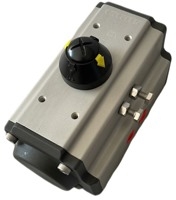
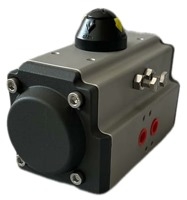
Pneumatic Operated Ball Valvesavailable in a wide variety of sizes and container forms, allowing you to select the one that best matches your demands like long service life, simple to use, and cons...
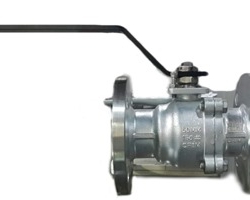
Concorde Valve and Automations haveManual Ball Valves, device which manages the flow of a liquid or gas into a system. The main component of these valves is a hollowed-out stainless steel ball that...
Concorde sell an extensive collection of quality valves, among themActuator Operated Butterfly Valve andPneumatic Butterfly Valve Actuator, which are designed to fulfill the requirements of various...
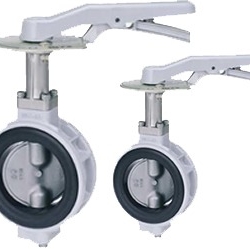
Concorde's Valves are strong, accurate, and versatile for improving your fluid control systems.Manual Butterfly Valves are a popular choice for basic uses. These valves have a simple structure and ...
Concorde Valve and Automations is a leader inkitz ball valve distributors in India.Kitz ball valve is our core product to supply at very low cost all over India. Our ball valves are made of superio...
Concorde Valve and Automations is a leader in kitz ball valve distributors in India. Kitz ball valve is our core product to supply at very low cost all over India. Our ball valves are made of superior quality materials. Components are used like cast iron, bronze, stainless steel, and steel. These valves have amazing efficiency, durability, and adaptability. It makes them the perfect choice for different kind of industrial usage.
Contact Us -
Email:... moreConcorde Valve and Automations is a leader in kitz ball valve distributors in India. Kitz ball valve is our core product to supply at very low cost all over India. Our ball valves are made of superior quality materials. Components are used like cast iron, bronze, stainless steel, and steel. These valves have amazing efficiency, durability, and adaptability. It makes them the perfect choice for different kind of industrial usage.