


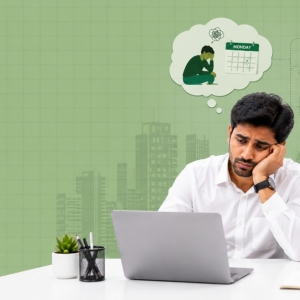
For decades, mental illness in Indian films meant one of two things. Either a villain with a "mad" laugh locked away somewhere, or comic relief at the expense of someone's obvious distress. It wasn't good, and it left a lasting mark on how millions of Indians came to understand mental health. But things have started shifting, and Bollywood's evolving relationship with Mental Health Advocacy deserves a closer look, both for how far it's come and how far it still has to go.
The Damage of the Old Portrayals
Growing up watching Hindi cinema, many Indians absorbed some pretty harmful ideas without even realising it. Someone with a mental illness was often shown as dangerous, unpredictable, or simply a joke. Psychiatric hospitals were depicted as terrifying places rather than legitimate medical facilities. Depression was rarely shown at all, and when it was, it usually got resolved within a single dramatic scene rather than the long, real process recovery actually involves.
This mattered more than it might seem. For a lot of people, especially in smaller towns with limited access to accurate information, cinema was one of the main ways they formed ideas about mental illness. And those ideas were often deeply wrong.
Where Things Have Started to Change
More recent Indian films and shows have made genuine efforts to portray mental health more accurately. Some have tackled depression, anxiety, and even more stigmatised conditions like OCD or bipolar disorder with real nuance, showing characters who seek therapy, take medication, and navigate recovery in a realistic, ongoing way rather than a single tidy resolution.
Streaming platforms have played a role here too. With more creative freedom than traditional box office cinema often allows, several web series have explored mental health themes with a level of honesty that mainstream films used to avoid entirely.
Actors speaking openly about their own struggles with anxiety, depression, or therapy has also had a real impact. When someone the public admires says "I go to therapy" without shame, it chips away at stigma in a way that formal campaigns often can't match.
Why This Kind of Advocacy Carries Weight in India
Bollywood and Indian television reach an enormous, diverse audience, across cities and villages, across age groups, across language barriers through dubbing and subtitles. A single well made film or a celebrity's honest interview can reach more people in a weekend than most formal awareness campaigns manage in a year.
There's also something about seeing a familiar face, someone millions of people have watched and admired for years, talk about their own mental health that makes the topic feel less distant and less shameful.
Where It Still Falls Short
Progress here is real, but uneven. A few honest films exist alongside plenty of others still relying on outdated, harmful stereotypes for cheap laughs or dramatic shock value. Serious conditions like schizophrenia in particular are still frequently shown inaccurately, reinforcing the exact fears and misconceptions that genuine advocacy is trying to undo.
There's also a gap between urban, English speaking media and the regional language content that reaches a much larger share of the country. Much of the more thoughtful mental health content tends to concentrate in English language and Hindi mainstream productions, leaving other regional industries somewhat behind.
What Genuine Progress Would Look Like
- More consistent, accurate portrayals across all Indian film industries, not just a handful of standout examples
- Serious conditions shown with the same nuance currently given to more commonly discussed ones like anxiety and depression
- Greater regional language representation so this progress reaches beyond urban, English speaking audiences
- Continued honesty from public figures, treated as normal conversation rather than a bold, headline worthy confession
Why This Matters Beyond Entertainment
Cinema and television shape culture in India more than almost any other medium. When these industries get mental health right, they don't just entertain, they educate, sometimes more effectively than a classroom lecture or a government pamphlet ever could.
Mental Health Advocacy through film and media has come a long way from the harmful stereotypes of the past, but there's genuine work still ahead. The stories India tells itself matter, and getting mental health right in those stories could shape how an entire generation understands and talks about their own minds.