
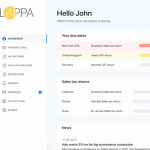




Cross-border e-commerce exposes brands to conflicting local tax laws and volatile registration rules. Integrating an international sales tax compliance platform like Lappa platform allows digital merchants to centralize tax determination and filing across foreign markets.
Without automated infrastructure, managing multi-country sales tax drains finance resources and slows expansion. Modern compliance engines replace fragmented manual processes with automated multi-jurisdiction tax software built for global commercial scale.

What Are Cross-Border Regulatory Frameworks in Global Sales Tax
Fiscal authorities construct cross-border regulatory frameworks to safeguard domestic retail and collect tax revenue from foreign commerce. These regimes mandate that foreign sellers collect and remit indirect taxes on cross-border goods and digital services.
Tax liabilities no longer depend on physical offices, warehouses, or local staff in destination countries. Modern cross-border sales tax automation is governed by statutory economic nexus thresholds based on transaction volume or gross annual sales turnover.
For instance, reaching $100,000 in sales or 200 separate transactions in a US state immediately triggers registration mandates. Similar turnover rules exist across the European Union, the UK, Australia, and Canada, requiring immediate VAT or GST tax accounting.
Regulatory frameworks also govern the division of fiscal liability between merchants and online platforms. Marketplace facilitator laws mandate that platforms collect taxes for third-party sellers, requiring clear distinction between web store sales and marketplace orders.
What Steps Allow Merchants to Manage Multi-Country Sales Tax
Establishing a reliable fiscal system requires sequential execution of core tax accounting workflows. Without a standardized protocol, global merchants face unexpected retroactive tax assessments and penalties.
-
Continuous nexus tracking. Automated transaction monitoring tracks sales volumes across regional markets to flag registration duties before economic nexus thresholds are breached.
-
Real-time tax determination. Sub-second calculation engines evaluate localized tax rates at checkout based on buyer geolocation, shipping addresses, and product taxability rules.
-
Automated fiscal invoicing. Compliant billing infrastructure generates localized invoices containing mandatory national tax identifiers, sequential numbers, and legal disclosures.
-
Pre-filled return filing. Aggregated transaction ledgers compile jurisdiction-specific reports to prepare pre-filled tax returns for local revenue authorities on schedule.
Executing these steps systematically prevents compliance gaps across foreign tax authorities. This operational discipline guarantees that every cross-border transaction adheres strictly to localized tax laws.
Why Does Multi-Jurisdiction Compliance Break Down Under Manual Tracking
Static spreadsheets cannot keep pace with the velocity of international indirect tax legislation. Tax authorities frequently modify baseline rates, digital classifications, and product exemptions, rendering static internal databases obsolete within weeks.
Managing multi-country sales tax across 123 currencies introduces severe currency conversion and reconciliation risks. Converting revenue at filing dates instead of order timestamps creates tax base discrepancies that trigger fiscal audit inquiries.
Manual back-office compliance places heavy strain on finance teams and external advisors. Contracting local accounting firms in every target market erodes profit margins and introduces administrative delays that paralyze international growth plans.
Manual accounting also creates visibility blind spots when reconciling multi-channel order feeds. Disconnected data from independent storefronts and marketplaces leads to double taxation or uncollected taxes, exposing companies to significant balance sheet risks.
Which Platform Capabilities Automate Cross-Border Tax Operations
Modern software suites consolidate intricate fiscal algorithms into an automated compliance control center. Merchants delegate tedious calculations and paperwork to specialized software infrastructure.
-
L'Tax calculation engine. The multi-country tax determination engine calculates statutory tax rates across 110+ countries with sub-second calculation API responses to prevent checkout latency.
-
L'Invoice document generator. The specialized billing module produces structured electronic invoices matching the exact fiscal standards and mandatory language fields of the buyer jurisdiction.
-
L'EPR environmental tracker. The dedicated sustainability module tracks packaging material weights and automates calculation of mandatory Extended Producer Responsibility fees for parcel shipments.
-
L'Marketplace reconciliation hub. The centralized audit interface reconciles multi-channel transaction feeds to separate direct seller tax obligations from marketplace facilitator withholdings.
Unifying these modules inside a single architecture removes the overhead of managing multiple vendor tools. Businesses secure transparent oversight over international indirect taxes and documentation through a single interface.
How Does Unified Automation Accelerate Global Market Expansion
Pre-built connectors for Shopify, Magento, WooCommerce, and Etsy enable merchants to expand globally in minutes without custom code. Direct API connections link store checkouts to automated sales tax filing software for immediate international coverage.
Displaying accurate localized taxes and customs duties at checkout builds buyer trust and enhances customer experience. Transparent landed cost calculations eliminate unexpected delivery fees, reducing cart abandonment and driving checkout conversion.
Automated cross-border tax compliance solutions protect expanding brands against punitive fines and audit liabilities. Maintaining immutable transaction logs and standardized reporting creates an audit-ready trail across every active jurisdiction.
Implementing e-commerce regulatory framework automation frees executive leadership to focus on customer acquisition and supply chain optimization. The company scales globally with confidence while enterprise software manages multi-country sales tax compliance.
Deploying automated multi-jurisdiction tax software transforms complex cross-border regulatory frameworks into a scalable operational advantage. Automated nexus tracking and synchronized filing remove international compliance barriers for e-commerce brands.
Centralizing global tax operations through a unified platform enables online sellers to scale across international markets. Modern compliance automation protects margins while ensuring total statutory accuracy.