
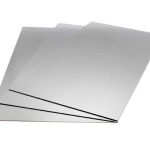

Inox Steel India supplies aluminium solutions for manufacturers, fabricators, contractors, and engineering businesses seeking dependable material for demanding applications. As an Aluminium Sheet Manufacturer in India, the company focuses on dimensional consistency, alloy quality, surface condition, and application-oriented material selection.
From Alloy Selection to Final Application
Choosing an aluminium sheet is not simply a matter of selecting thickness and size. The alloy, temper, fabrication method, operating environment, and required mechanical performance all influence the suitability of the material.
For procurement teams, understanding these factors helps reduce material wastage and supports better purchasing decisions. For fabricators, the correct alloy can simplify cutting, forming, welding, and machining while delivering the required service performance.
What Determines Aluminium Sheet Performance?
Aluminium sheet performance is primarily influenced by chemical composition, manufacturing process, temper condition, and surface quality. Alloying elements such as magnesium, silicon, manganese, and copper can significantly change strength, corrosion resistance, machinability, and formability.
A professional Aluminium Sheet Manufacturer maintains controlled production parameters to achieve consistent thickness, mechanical properties, surface condition, and dimensional accuracy.
Four Grades for Four Different Engineering Requirements
6082 Aluminium Sheets Manufacturer
6082 aluminium is widely associated with structural applications where good mechanical strength and corrosion resistance are required. It is suitable for transportation components, industrial frameworks, bridges, machinery, and fabricated structures.
Its combination of strength and machinability makes it practical for projects involving cutting, drilling, machining, and structural assembly.
6061 Aluminium Sheets Manufacturer
6061 is a versatile engineering alloy offering a useful balance of strength, corrosion resistance, machinability, and weldability. It is frequently considered for general engineering components, transportation equipment, structural assemblies, and industrial fabrication.
Its broad application range makes it a practical option when several fabrication processes are involved within the same project.
5052 Aluminium Sheets Manufacturer
5052 aluminium is particularly valued for corrosion resistance and formability. It performs well in applications exposed to moisture and marine atmospheres and can be fabricated into components requiring bending or forming.
Typical applications include tanks, enclosures, marine components, panels, and fabricated industrial equipment.
5083 Aluminium Sheets Manufacturer
5083 is recognized for its strong corrosion resistance and suitability for marine environments. It is frequently selected for shipbuilding, offshore equipment, storage systems, and welded structures where exposure to demanding environments is expected.
The alloy is especially relevant when corrosion resistance and structural performance need to work together.
Choosing Between Strength and Formability
Material selection often involves balancing different properties rather than maximizing one characteristic. A high-strength alloy may be appropriate for load-bearing components, while a more formable grade can be preferable for components requiring extensive bending or shaping.
Project specifications should therefore consider tensile requirements, fabrication processes, environmental exposure, operating temperature, and joining methods before final material selection.
Thickness, Dimensions, and Surface Condition
Aluminium sheets are available in different thicknesses, widths, and lengths to accommodate fabrication requirements. Dimensional accuracy becomes particularly important when sheets are processed using CNC equipment, automated cutting systems, bending machines, or precision fabrication lines.
Surface condition also influences the final application. Mill-finished material can serve general fabrication requirements, while anodized, brushed, polished, or coated surfaces may be selected when appearance or additional surface protection is important.
Weight Planning Before Procurement
Material weight affects transportation, structural calculations, handling, storage, and overall project budgeting. An Aluminium Sheets Weight Chart can help procurement and engineering teams estimate the approximate weight of sheets according to their dimensions and thickness.
Accurate weight estimation becomes especially useful when ordering large quantities, planning shipping capacity, or calculating the total material requirement for a major fabrication project.
Where Aluminium Sheets Create Commercial Value
The versatility of aluminium allows these products to serve a broad industrial landscape. Transportation manufacturers use them to reduce component weight, while construction companies incorporate them into architectural and structural systems.
Marine manufacturers value corrosion resistance, and industrial fabricators benefit from the combination of machinability, formability, and strength. Electrical and thermal applications can also take advantage of aluminium's conductivity and lightweight characteristics.
This broad application base creates opportunities for both manufacturers and procurement professionals across domestic and international markets.
Procurement Considerations for Industrial Buyers
A reliable Aluminium Sheet Supplier in India should be able to provide appropriate alloy grades, dimensions, surface conditions, and supporting documentation. Buyers should also evaluate material traceability, inspection procedures, packaging standards, delivery capability, and compliance with the relevant product specification.
For recurring procurement, consistency between batches is equally important because variations in thickness, hardness, or surface condition can affect downstream fabrication.
Building Reliable International Supply Channels
International sourcing has become increasingly important for businesses managing large manufacturing programs. A dependable Aluminium Sheet Supplier in Malaysia can support regional requirements across construction, manufacturing, marine engineering, and transportation sectors.
Singapore also represents an important commercial and industrial market, where Aluminium Sheet Suppliers in Singapore serve businesses requiring precision materials for fabrication, infrastructure, engineering, and manufacturing operations.
A capable Aluminium Sheet Supplier can add value by coordinating product specifications, documentation, packaging, logistics, and delivery requirements rather than simply providing material.
We supply Aluminium sheets to various cities in India.
Quality Documentation and Product Verification
For industrial buyers, product quality should be supported by appropriate documentation and inspection procedures. Depending on project requirements, documentation may include chemical composition details, mechanical test results, dimensional records, heat identification, and material certificates.
Verification at the procurement stage helps businesses ensure that the selected material corresponds with the specified alloy, temper, dimensions, and intended application.
Making Aluminium Procurement More Efficient
The most effective sourcing process begins with a clear technical requirement. Buyers should define the required alloy, temper, thickness, width, length, surface finish, quantity, applicable standards, and delivery location before requesting quotations.
This approach makes supplier comparisons more meaningful and reduces the possibility of receiving unsuitable alternatives. It also allows manufacturers and suppliers to prepare accurate commercial offers based on clearly defined requirements.
Conclusion
Aluminium sheets provide a flexible material platform for modern engineering because different alloy compositions can deliver distinctly different combinations of strength, corrosion resistance, formability, and machinability. Grades such as 6082, 6061, 5052, and 5083 address varied structural, fabrication, marine, and industrial requirements.
For buyers, the right selection depends on the operating environment and fabrication process rather than alloy name alone. Careful specification, reliable quality documentation, dimensional control, and dependable supply channels can help businesses achieve better fabrication efficiency and long-term material performance.