
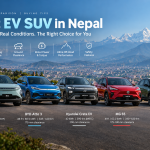

Buying an EV in Nepal is exciting. Living with one is where the real test begins. Between steep Himalayan climbs, monsoon waterlogging and uneven charging coverage, your car will need good support sooner or later. This guide looks at EV after sales service in Nepal using official distributor announcements and trade reports, so you can compare brands on facts, not hype.
Why After Sales Service Matters So Much for EVs
An EV has fewer moving parts than a petrol car, but its repairs are more specialised. Battery packs, motor controllers and software need trained technicians and proper diagnostic tools.
Nepal adds its own pressure. Local reports say the market has welcomed more than two dozen EV brands in two years, while annual passenger car sales sit near 15,000 units. Not every brand will stay. Trade media also report frequent buyer complaints about slow parts supply and weak service experiences.
So a long warranty alone is not enough. You need a brand that will still be answering the phone, stocking parts and updating software in year seven.
What a Good EV Service Centre in Nepal Looks Like
Use this checklist when you visit any showroom:
- Authorised service centres: Are they near your home and your usual highway routes?
- Trained technicians: Ask how many are certified for high-voltage work.
- Battery diagnostics: For EV battery service in Nepal, can the centre test cell health locally, or must the pack go abroad?
- Warranty terms: Check years, kilometres, exclusions and any conditions.
- Genuine spare parts: Ask for a price list and typical delivery time.
- Software updates: Confirm who installs them and whether they are free.
- Charging support: Look for DC fast chargers and home charger installation help.
- Maintenance costs: Request a written estimate for the first five years.
- Roadside assistance: Ask about coverage on highways, not only in cities.
Picture driving from Kathmandu to Pokhara in monsoon season when a warning light appears near Mugling. The nearest authorised centre and roadside team suddenly matter more than the sunroof.
Electric Car Warranty in Nepal: How Main Brands Compare
Figures below come from distributor announcements and Nepali trade media. Distributors define terms differently, so always request the written policy.
OMODA and JAECOO (SPG Automobiles): The standard battery warranty is 8 years or 180,000 km, with the motor covered for 8 years or 160,000 km. An insurance-linked extension lifts these to 11 years or 240,000 km (battery) and 200,000 km (motor). SPG’s website lists service points in 13 locations, including Pokhara, Butwal, Biratnagar and Narayanghat.
BYD (Cimex): Battery and motor warranties are 10 years or 200,000 km for new buyers under Cimex’s 2025 policy. Cimex reports 13 service centres and plans to reach 18 this fiscal year.
MG (Paramount Motors and GO Automobiles): Distribution is now split. Paramount handles China-built MGs, while GO Automobiles sells India-built models such as the Comet and Windsor. Paramount has announced up to 15 years or 200,000 km on motor and battery; confirm which models qualify. GO Automobiles became the first EV distributor in Nepal to publish a genuine spare parts price list, a real plus for cost planning.
Hyundai (Laxmi Intercontinental): EVs carried an 8-year battery and 2-year motor warranty in the distributor’s 2024 announcement, backed by 19 service centres (covering all Hyundai models) and 43+ charging points. Those numbers are older, so confirm current terms.
Tata (Sipradi Trading): It reports more than 20 service centres and 40 DC charging points. Sipradi says its Bagdol battery diagnostic and restoration facility can restore unbalanced cells instead of replacing whole packs. Expo buyers in August 2026 were offered extended warranty up to 11 years or 220,000 km.
Others: Newer brands such as Deepal, Nammi, GWM and Leapmotor are expanding service networks, but trade media say spare parts remain a major challenge across the market.
We found no independent, nationwide ranking of these networks, so no brand can honestly be called the best. Compare them on your own priorities.
Test Service Quality Before You Pay
- Visit the service centre unannounced. Check cleanliness, technician activity and how many EVs are being worked on.
- Call the service number from the website. Note how fast someone answers.
- Ask for the written warranty. Read exclusions on water damage, unauthorised repairs and insurance conditions.
- Request typical repair turnaround times and parts delivery times in writing.
- Talk to owners in local EV groups, ideally ones with three or more years of use.
- Add up five-year costs: servicing, tyres, insurance, charging and parts.
A cracked headlamp is a good test case: ask the price, whether it is in stock, and how many days delivery takes.
On electric vehicle maintenance cost in Nepal, OMODA’s service FAQ estimates NPR 5,000–10,000 a year for battery upkeep checks, but treat any figure as a starting point and get a written quote for your model.
Check chargers along your own routes too. Hill climbs and cold weather reduce range, so the next charger matters.
Where OMODA Nepal’s Service Strengths Stand Out
Based on SPG Automobiles’ official material, OMODA and JAECOO offer several verifiable strengths:
- Warranty distance: The 240,000 km battery cover is the highest distance limit among the brands compared here, though MG advertises more years.
- Clear conditions: The extension requires authorised servicing, genuine parts and continuous insurance with Himalayan Everest Insurance, so read the terms first.
- Wide reach: Listed service points span Sitapaila, Pokhara, Butwal, Dhangadhi, Biratnagar and Surkhet.
- Seasonal care: SPG ran a nationwide monsoon check-up camp in July 2025 with labour discounts.
- Parts, charging and support: The company says genuine parts are available at authorised centres, roadside assistance is provided and charging points reach as far as Upper Mustang.
Be aware that SPG’s own figures vary by source: an April 2026 release cites 15 service centres, its website lists 13 locations, and a September 2026 trade report cites 11. Call your nearest centre to confirm before you buy.
Which Brand Suits Which Buyer?
If you drive long highway routes, prioritise charger coverage and roadside help. City commuters may value a nearby centre and low parts prices more. Families planning to keep a car for ten years should weigh warranty length, parts transparency and distributor stability.
Each brand has a clear strength: Tata’s battery restoration facility, GO Automobiles’ published MG parts prices, BYD’s 10-year cover and OMODA’s 240,000 km battery limit with regional service points.
The Smart Way to Choose
The best EV after sales service in Nepal is the one that works for your routes, your budget and your timeline. Collect written warranty terms, test the service centre, and speak with real owners before deciding. Distributor promises matter most when they are specific and verifiable.
If OMODA or JAECOO is on your shortlist, review the extended warranty terms, service network and charging map, then book a test drive with OMODA Jaecoo Nepal and ask your service questions in person.