
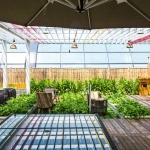

A covered patio can provide space for outdoor dining, reading, and evening gatherings. However, poor lighting placement or an improperly supported ceiling fan can make the area less functional and create safety concerns.
Homeowners planning an insulated patio cover should consider electrical features before construction begins. Early decisions about fixture locations, wiring routes, and mounting requirements can help prevent unnecessary changes later.
A practical plan starts with understanding how the space will be used and how the proposed roof structure will accommodate electrical equipment.
Identify how the covered patio will be used
The first step is to decide which activities will take place beneath the patio roof. Different activities require different lighting arrangements.
A dining area may need focused illumination above the table, while a seating area may benefit from softer, evenly distributed light. Walkways and steps require enough visibility for safe movement after dark.
Homeowners can begin with a simple drawing showing the patio's dimensions, furniture locations, entrances, and nearby walls.
The drawing should identify:
-
Areas that need direct lighting.
-
Seating locations where a ceiling fan may be useful.
-
Walkways that should remain unobstructed.
-
Existing outdoor electrical outlets.
-
Preferred locations for switches and controls.
This layout provides a starting point for discussing fixture placement and electrical requirements before installation.
Review the patio roof before selecting fixtures
Patio roof construction affects how lighting and ceiling fans can be installed.
Solid, lattice, and insulated roof systems have different structural arrangements. These differences influence the available mounting locations and whether wiring can be concealed.
For example, lattice structures have open sections that may limit fixture placement. Solid roofs provide continuous overhead coverage, but their ability to support electrical equipment depends on the specific design.
Manufacturers such as Duralum Products, Inc. describe several aluminum patio cover categories, including solid, lattice, and insulated systems. These distinctions help illustrate why electrical planning should begin with the selected roof type.
Homeowners should not assume that any patio roof can support a ceiling fan or suspended lighting fixture.
The proposed mounting location must be evaluated for the equipment's weight, movement, and attachment requirements. Structural approval and suitable mounting components should be confirmed before electrical work begins.
Plan lighting locations for practical outdoor use
Outdoor lighting generally serves three purposes: ambient illumination, task lighting, and accent lighting.
Ambient lighting provides general visibility throughout the covered area. Task lighting supports activities such as reading, preparing food, or eating. Accent lighting highlights architectural features or decorative elements.
A balanced lighting arrangement may combine these functions without placing fixtures across every part of the ceiling.
Homeowners should consider how light will reach tables, seating areas, and walking paths. Fixtures placed directly above reflective surfaces may create glare, while poorly positioned lights can leave important areas in shadow.
Light entering nearby windows should also be considered, particularly when the patio is attached to the house.
Switch placement matters as well. Controls near entrances can make the space easier to use after dark. Separate controls for different lighting zones may provide additional flexibility.
Fixtures must be suitable for their installation environment, including possible exposure to moisture.
Check ceiling fan placement and mounting requirements
Ceiling fans introduce additional considerations because they contain moving components and require secure structural support.
The available ceiling height should be reviewed before selecting a fan. Blade clearance from the floor, nearby walls, lighting fixtures, and other obstacles must meet the fan manufacturer's instructions and applicable requirements.
Furniture placement can also influence fan positioning. A fan located above the main seating area may distribute airflow differently from one installed near the patio's edge.
Outdoor electrical equipment carries environmental ratings that homeowners should understand.
Damp-rated ceiling fans are intended for locations protected from direct water exposure, while wet-rated models are designed for conditions involving direct exposure to rain or water.
The appropriate rating depends on the actual installation environment, not simply whether the patio has a roof.
A ceiling fan also requires a mounting assembly approved for fan support. A standard lighting fixture box or unsupported roof panel should not be assumed suitable.
Coordinate electrical wiring with the roof design
Electrical wiring routes should be considered before the patio cover is installed.
Some roof systems may allow concealed wiring, while others require surface-mounted conduit or alternative arrangements. The available options depend on the product design and approved installation methods.
Homeowners considering insulated roof panels may encounter systems with provisions for electrical accessories.
For example, Duralum's Monterey product information describes roof options with integrated electrical pathways, including optional concealed raceways designed to support the addition of ceiling fans or lighting fixtures.
The presence of an electrical raceway does not automatically establish that every fixture or fan is compatible. Mounting support, wiring methods, and equipment requirements still need separate confirmation.
Early coordination between the patio installer and electrician can help identify suitable wiring routes, connection points, and equipment locations.
This process can also reduce the likelihood of visible wiring being added after the roof is complete.
Review electrical safety and installation requirements
Outdoor electrical installations require attention to moisture exposure, equipment suitability, and circuit protection.
The National Fire Protection Association (NFPA) publishes NFPA 70, the National Electrical Code, which establishes electrical installation safety requirements and is widely adopted throughout the United States.
Applicable electrical rules may address wiring methods, grounding, equipment ratings, and ground-fault circuit-interrupter protection.
Requirements vary depending on the installation and the locally adopted electrical code.
Homeowners should also determine whether the existing electrical system can accommodate the proposed lighting and fan equipment.
A qualified electrician can evaluate circuit capacity, suitable wiring methods, and necessary protective devices.
Electrical connections should remain accessible where required, and equipment should be installed according to its listing and manufacturer instructions.
Prepare a lighting and fan installation checklist
A written checklist can help homeowners organize decisions before construction begins.
Review the following items:
-
Confirm the patio layout and intended activities.
-
Mark proposed lighting and ceiling fan locations.
-
Check ceiling height and required fan clearances.
-
Verify structural support for suspended equipment.
-
Identify appropriate outdoor fixture ratings.
-
Determine wiring routes and electrical supply requirements.
-
Select convenient switch and control locations.
-
Review applicable electrical and installation requirements.
-
Coordinate responsibilities between the patio installer and electrician.
The final layout should account for both the roof structure and the electrical equipment it will support.
Clear documentation of fixture positions, mounting requirements, and wiring arrangements can help prevent conflicts during construction and support future maintenance.