
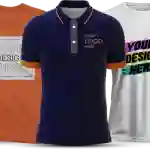

Personalized apparel has become an important part of fashion, marketing, events, and everyday self-expression. A well-designed shirt can communicate an idea, promote a business, celebrate an occasion, or simply give someone a way to show their personality. Custom t-shirts offer flexibility because they can be created in different colors, fits, designs, and printing styles to suit a wide range of needs. For retailers, organizations, schools, teams, businesses, and individuals, understanding how to plan a successful shirt project can make the final product more attractive and useful.
Why Personalized Apparel Remains Popular
T-shirts are among the most versatile clothing items because people can wear them in many different settings. A simple design can work for casual clothing, while a carefully developed graphic can become part of a larger promotional campaign. Unlike some promotional products that remain at home or in an office, shirts can travel with the wearer and expose a design to new audiences.
Clothing Can Communicate Ideas
A shirt can communicate a message without requiring a lengthy explanation. A company logo can reinforce brand recognition, while a slogan can support an event or campaign. Creative artwork can also turn a basic garment into a fashion statement. This makes personalized apparel useful for both practical communication and visual expression.
Shirts Work for Different Occasions
Personalized shirts can be created for birthdays, reunions, festivals, charity events, sports groups, company activities, school programs, and community gatherings. Each occasion may require a different design approach, but the basic product remains familiar and easy to wear. This flexibility allows businesses and organizations to use shirts for many purposes throughout the year.
Choosing the Right Shirt Foundation
The quality of the finished design depends partly on the garment selected at the beginning. Fabric type, weight, fit, color, and construction can all influence how comfortable the shirt feels and how effectively the artwork appears. Before focusing on graphics, buyers should decide what type of garment best matches the intended audience.
Consider Fabric and Comfort
Cotton is widely appreciated for its familiar feel and everyday comfort, while blended materials may offer different performance characteristics. The right fabric depends on where and how the shirts will be worn. For outdoor events, active activities, or long workdays, comfort and breathability may be particularly important.
Think About the Intended Fit
Different customers may prefer relaxed, regular, oversized, or more fitted silhouettes. A project aimed at a broad audience may benefit from offering several size and fit choices. Considering the target wearer before ordering can help prevent problems with unused inventory.
Developing a Strong Design Concept
A successful shirt design usually begins with a clear idea. Trying to include too many messages, graphics, and decorative elements can make the final result difficult to understand. A focused concept often creates a stronger visual impression.
Keep the Main Message Clear
The most important part of a design should be easy to identify. If the shirt is promoting a company, the business name or logo may need to receive priority. For an event, the event name and date might be the most important elements. Establishing this hierarchy makes the artwork easier to recognize from a distance.
Select Graphics Carefully
Images should support the overall purpose of the shirt rather than compete with the message. Simple illustrations can create a clean appearance, while detailed artwork can produce a more expressive result when handled correctly. The chosen graphics should also be appropriate for the intended audience and occasion.
Using Color to Create Visual Impact
Color can dramatically change the personality of a shirt. Bright combinations may feel energetic and youthful, while neutral colors can create a more understated appearance. The shirt color should work together with the artwork rather than making the design difficult to read.
Create Useful Contrast
Strong contrast between the garment and printed elements can improve visibility. Dark shirts may work well with lighter artwork, while light garments can support darker graphics. Designers should always consider readability when selecting combinations.
Match Colors With the Purpose
A corporate shirt may benefit from colors connected to an existing brand identity. An event shirt can use colors associated with the occasion or theme. Fashion-oriented designs may have more freedom to experiment with seasonal combinations and creative palettes.
Selecting a Suitable Printing Approach
Different printing methods can produce different visual results. The choice may depend on the artwork, quantity, garment material, budget, and desired appearance. Understanding the basic differences can help buyers make more informed decisions.
Think About Design Complexity
Simple logos and limited-color artwork may be suitable for certain printing techniques, while highly detailed or colorful graphics may require another approach. Buyers should consider how much detail needs to be reproduced before selecting a production method.
Consider Quantity and Budget
Larger orders may have different pricing considerations than smaller projects. Businesses should determine the required quantity before finalizing their production strategy. Ordering an appropriate amount can help balance per-unit costs with the risk of holding unnecessary inventory.
Creating Shirts for Business Promotion
Personalized shirts can support brand awareness by putting company imagery directly into customers' daily lives. Employees can wear branded shirts at events, trade shows, community activities, or regular business operations. Customers can also receive shirts as promotional merchandise.
Maintain Brand Consistency
Using familiar company colors, logos, fonts, and visual elements can make promotional apparel easier to connect with an existing brand. Consistency across shirts, signage, websites, packaging, and other marketing materials can create a more recognizable identity.
Avoid Overloading the Design
A promotional shirt does not need every piece of company information. Too many phone numbers, addresses, slogans, and graphics can reduce visual appeal. A focused logo and memorable message can often communicate more effectively.
Designing Shirts for Events and Groups
Group apparel can create a sense of unity. When people wear shirts featuring the same design, they become visually connected to the event, organization, team, or activity. This can make photographs more memorable and strengthen the shared experience.
Include Important Event Details
Dates, locations, names, and themes can be incorporated when appropriate. However, these details should be arranged so that the design remains attractive after the event. A shirt that looks good beyond the original occasion can continue to be worn for years.
Think Beyond the Front
The back, sleeves, and smaller placement areas can provide additional design opportunities. A large graphic on the back combined with a small logo on the front can create a balanced appearance. Sleeve graphics can also add detail without overcrowding the primary design.
Improving the Online Ordering Experience
Businesses selling personalized apparel online should make the ordering process easy to understand. Customers need clear information about garment choices, sizes, colors, artwork requirements, production details, and expected quantities.
Provide Clear Product Information
Product descriptions should explain important characteristics without overwhelming customers. Information about fabric, available sizes, color choices, printing options, and care instructions can help shoppers make better decisions.
Show Designs From Different Angles
Images can help customers understand how artwork appears on the garment. Front and back views, close-up details, and examples of different colors can make the product easier to evaluate. Clear visuals are particularly valuable when customers cannot physically inspect the shirt.
Managing Sizes and Quantities
Ordering apparel requires careful attention to sizing. A design may be excellent, but poor size planning can leave some customers without suitable options. Businesses and organizations should consider the expected audience before deciding quantities.
Review Previous Orders
Past sales can provide useful information about which sizes and styles are most popular. When historical information is available, it can help guide future purchasing decisions. New projects without previous data may require a more cautious estimate.
Allow for Different Customer Preferences
A broad audience may have different expectations regarding fit and sizing. Offering a reasonable range can improve accessibility and customer satisfaction. Retailers should also make sizing information easy to find before customers place orders.
Maintaining Quality After Production
The value of personalized apparel extends beyond the initial design. Shirts should remain attractive after regular wear and washing. Proper care information can help customers maintain the appearance of the garment and printed artwork.
Provide Care Instructions
Clear washing and drying guidance can reduce avoidable damage. Customers should understand whether special handling is recommended for the garment or decoration. Including care information as part of the product experience demonstrates attention to detail.
Inspect Finished Products
For larger orders, checking finished garments before distribution can help identify printing errors, incorrect colors, damaged garments, or sizing problems. Quality control is especially important when shirts are being produced for a major event or business campaign.
How Can Businesses Get Better Results From Personalized Apparel?
Successful apparel projects usually begin with planning rather than production. Buyers should define their purpose, understand their audience, select appropriate garments, create a focused design, choose suitable colors, and determine the right production method. Custom t-shirts can become much more effective when every part of the project supports the same goal. Careful planning also helps control costs and reduces the likelihood of ordering products that fail to meet expectations.
FAQS
What are custom shirts commonly used for?
They are commonly used for business promotion, events, schools, teams, reunions, celebrations, fundraisers, community activities, and personal fashion. Their flexibility makes them suitable for many different audiences and occasions.
How should I choose a shirt color?
The best color depends on the design, audience, occasion, and desired visual style. Strong contrast can improve readability, while colors connected to a brand or event can create a more consistent appearance.
What should a good shirt design include?
A strong design usually has a clear main message, appropriate graphics, readable text, and a balanced color combination. Avoiding unnecessary elements can make the final artwork easier to understand.
How can businesses use personalized shirts for marketing?
Businesses can provide branded shirts to employees, customers, event participants, or promotional partners. Consistent logos and brand colors can help increase recognition when the shirts are worn publicly.
Is sizing important when ordering shirts?
Yes. Choosing an appropriate size range helps ensure that the finished order can serve the intended audience. Reviewing previous sales or gathering expected sizes can make planning easier.
Conclusion
A successful personalized apparel project combines thoughtful design with practical garment selection and reliable production planning. Businesses and individuals can create stronger products by considering fabric, fit, colors, artwork, printing methods, sizing, and intended use before placing an order. Whether the goal is marketing, celebration, group identity, or personal expression, a carefully planned shirt can provide lasting value. For those ready to develop a personalized apparel project, Shop Now with Star Hats & Embroidery and turn a creative idea into wearable apparel.