
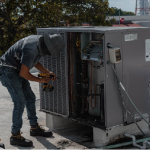

An occasional HVAC repair is part of managing any commercial property. If the same rooftop unit keeps generating service calls, though, it may be time to look beyond the latest fault.
Repeated breakdowns can point to several things at once, including ageing parts, airflow problems, control issues or equipment that no longer matches how the building is being used. A broader assessment helps connect those clues instead of treating every visit as an isolated repair.
- The Same Problem Keeps Returning
A fault that comes back after repair deserves a closer look.
If drainage issues, sensor faults, airflow restrictions or cooling problems keep reappearing, the cause may involve more than one component. Service records can help show when the same symptoms started, how often they returned and what work was done previously.
That history is especially useful with rooftop commercial air conditioning units, where several systems and controls work together during normal operation.
- Different Parts Are Failing Within A Short Period
One failed motor or sensor may be routine. Several unrelated failures over a relatively short period can suggest that the unit as a whole deserves review.
Older equipment often develops wear across multiple components. Belts, motors, contactors and electrical parts may all begin needing attention at different times.
Looking at the overall condition of the unit can help maintenance teams plan repairs and budgets more effectively.
- Comfort Problems Continue After Repairs
A repair may restore cooling or heating, yet occupants can still report rooms that are too warm, too cold or difficult to control.
Persistent comfort complaints may come from ductwork, airflow balance, controls or changes in building use. A space that has been renovated or occupied differently may place new demands on equipment that was sized for an earlier layout.
That is where a broader system review can provide more useful information than another isolated service visit.
- Energy Use Has Increased Without an Obvious Cause
A single higher utility bill can have many explanations. A consistent change in energy use, especially alongside longer equipment runtime, deserves attention.
Dirty coils, poor airflow, incorrect schedules and faulty controls can all affect how long a rooftop unit operates.
If replacement is being considered, planning a rooftop ac unit installation is also a good point to reassess building loads and operating schedules instead of simply copying the existing equipment specification.
- The Unit Runs for Longer Than Expected
Long runtime during very hot or cold weather is normal. Problems become more likely when the unit struggles during moderate conditions or rarely reaches its thermostat setpoint.
Possible causes include:
- Restricted airflow
- Dirty coils
- Incorrect control settings
- Faulty sensors
- Reduced heating or cooling capacity
- Building loads that have changed
A technician can compare these factors and identify whether the problem is mechanical, control-related or linked to the way the building is now used.
- Repair Decisions Are Becoming More Frequent
If repair choices are coming up every few months, the service history deserves a proper review.
As a rooftop hvac system gets older, building teams may need to weigh repair costs against equipment condition, parts availability and future operating needs.
That does not automatically mean replacement is required. It does mean decision-makers should have a clearer picture of what the unit is likely to need over the next few years.
Look at The Whole System
Repeated service calls are often more useful when viewed together than separately. Maintenance records, comfort complaints, energy use and operating behavior can reveal patterns that one repair visit may miss.
For commercial properties around Philadelphia, a broader rooftop equipment assessment can help determine whether continued repairs, control adjustments or replacement planning makes more sense. Climico is one local HVAC contractor that can be considered for this type of evaluation.