
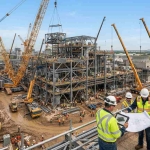

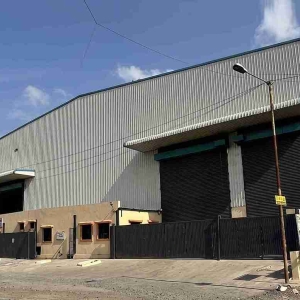

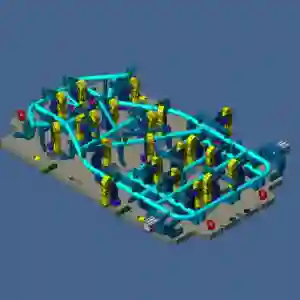


EPC Contractor in Kurkumbh: Integrated Industrial Construction Solutions
Businesses planning manufacturing plants, industrial sheds, warehouses or process facilities in Kurkumbh MIDC need coordinated engineering, procurement and construction services. Choosing an EPC Contractor in Kurkumbh can help streamline project planning, material procurement, civil construction and structural work while ensuring that the facility is developed according to its technical requirements and agreed project scope.
EPC stands for Engineering, Procurement and Construction. Under this delivery model, multiple project activities are coordinated within a defined scope, helping businesses manage technical requirements, materials, construction work and installation schedules more systematically.
Sahyadri Infra Projects provides industrial construction and project execution solutions for businesses planning industrial facilities in Kurkumbh and nearby locations. Depending on project requirements, the scope may include civil construction, structural steelwork, pre-engineered buildings, roofing, flooring and coordination of associated infrastructure.
What Does an EPC Contractor Do?
An EPC contractor coordinates the main stages of a project, from engineering and procurement through construction and, where included, installation, testing and commissioning.
The specific responsibilities depend on the contract. Some projects require the complete development of an industrial facility, while others focus on selected construction packages or infrastructure components.
Typical EPC activities may include:
- Reviewing project requirements and site conditions.
- Coordinating architectural and engineering designs.
- Planning material procurement and delivery schedules.
- Managing civil construction and structural work.
- Coordinating mechanical, electrical and utility installations.
- Monitoring construction quality and site safety.
- Completing inspections, documentation and agreed handover activities.
For industrial projects, these activities need to be coordinated with production requirements, machinery layouts, building access and utility connections.
Why Businesses in Kurkumbh Need EPC Construction Solutions
Kurkumbh MIDC and the surrounding industrial area support manufacturing and process-oriented businesses that may require purpose-built industrial infrastructure. New facilities and expansion projects can involve multiple construction disciplines, making coordination important from the planning stage.
An EPC-based approach can be useful when a project requires several connected work packages. It provides a framework for defining responsibilities, sequencing construction activities and coordinating procurement with site progress.
1. Coordinated Project Planning
Industrial buildings often combine civil foundations, steel structures, roofing, industrial flooring, electrical systems and utility infrastructure. Coordinated planning helps identify technical interfaces before work begins.
2. Material and Procurement Management
Construction materials must meet project specifications and arrive according to the construction schedule. Procurement planning considers quantities, specifications, supplier coordination, delivery timing and storage requirements.
3. Construction Schedule Coordination
Different activities depend on the completion of earlier work. For example, foundation work must be sufficiently advanced before structural erection, while utility installation may depend on building layout and equipment positioning.
A coordinated schedule helps the project team identify dependencies and monitor progress.
4. Defined Scope and Responsibilities
A clearly documented EPC scope establishes which activities are included, which are excluded and which approvals or client inputs are required. This is particularly important when multiple specialist systems are involved.
5. Organized Project Completion
Where testing, commissioning and operational handover form part of the agreement, these requirements should be considered during planning rather than left until the final stage.
EPC Services for Industrial Projects in Kurkumbh
The construction requirements of each industrial facility depend on its intended use, site conditions and technical specifications. Relevant work packages may include the following.
Industrial Civil Construction
Civil works can include site preparation, excavation, foundations, reinforced concrete structures, masonry and other building components. Foundation design should consider soil conditions, structural loads and any machinery-related requirements.
Steel Structure and Fabrication
Industrial facilities may require structural steel frames, platforms, support structures and other fabricated components. Design coordination, fabrication quality, corrosion protection and safe erection procedures are important considerations.
Pre-Engineered Building Construction
Pre-engineered buildings (PEBs) can be considered for manufacturing units, workshops, storage facilities and industrial sheds. Their configuration should be selected according to the required span, clear height, loading conditions and operational layout.
Factory Shed and Warehouse Construction
Factory sheds and warehouses require practical arrangements for production, storage, vehicle access, loading and material movement. The structural system, flooring, roofing and building envelope should reflect the intended use of the facility.
Industrial Flooring and Site Infrastructure
Industrial flooring must be selected according to machinery loads, vehicle movement and operating conditions. Depending on the project scope, associated infrastructure may include internal roads, drainage, utility routes and other site-development work.
Mechanical, Electrical and Utility Coordination
Some industrial projects require the coordination of electrical distribution, ventilation, plumbing, process utilities, fire-protection systems and equipment installation. The exact scope should be established through project documentation and applicable technical requirements.
EPC Project Execution Process
A well-defined execution process helps connect engineering decisions with procurement and on-site construction.
Step 1: Requirement Assessment
The project begins with a review of the proposed facility, intended industrial activity, plot details, approximate built-up area and required infrastructure.
Step 2: Engineering and Design Coordination
The design team coordinates relevant architectural, civil, structural and building-services requirements. Equipment layouts, machinery foundations, access routes and utility connections should be considered wherever applicable.
Step 3: Cost Estimation and Procurement Planning
The project scope is translated into material requirements, work packages and preliminary cost estimates. Procurement planning then considers technical specifications, delivery schedules and the sequence of site activities.
Step 4: Civil Construction and Structural Work
Site preparation, foundations and other civil works proceed according to approved drawings and specifications. Structural fabrication and erection are coordinated with foundation readiness and the overall construction programme.
Step 5: Building Envelope and Services
Roofing, cladding, flooring and specified building services are completed in accordance with the agreed scope. Coordination between construction teams helps manage interfaces between structural, electrical, mechanical and utility systems.
Step 6: Quality Checks and Handover
Inspections and quality checks are conducted at the stages specified in the project plan. Testing, commissioning, documentation and handover are completed where they form part of the contract.
Factors Affecting EPC Project Cost in Kurkumbh
EPC project costs vary according to the size, complexity and technical requirements of the facility. A realistic estimate should be based on the actual scope rather than a generic construction rate.
Important cost factors include:
- Plot conditions, soil investigation and site preparation.
- Building area, height, structural span and design loads.
- Foundation and reinforced concrete requirements.
- Steel quantities, fabrication and erection work.
- Roofing, cladding and insulation specifications.
- Industrial flooring and machinery foundations.
- Electrical, mechanical and utility installations.
- Fire-safety systems and drainage requirements.
- External development, access roads and boundary works.
- Testing, commissioning and handover requirements.
Businesses seeking an EPC quotation should provide available drawings, plot details, proposed building dimensions, intended industrial activity and a list of required systems. It is also important to compare quotations against equivalent scopes and clearly stated exclusions.
How to Choose an EPC Contractor in Kurkumbh
Selecting an EPC contractor involves more than comparing the initial quotation. Businesses should evaluate the contractor's relevant project experience, technical coordination, procurement approach, construction capabilities and safety procedures.
Before appointing a contractor, consider these practical checks:
- Review experience relevant to the proposed industrial facility.
- Confirm which engineering, procurement and construction activities are included.
- Ask how design changes and additional work will be managed.
- Review the proposed project schedule and material procurement plan.
- Clarify quality checks, inspection procedures and documentation.
- Establish payment milestones, responsibilities and handover requirements.
The final agreement should clearly define the deliverables, timelines, technical specifications and responsibilities of each party.
Sahyadri Infra Projects for Industrial Construction
Sahyadri Infra Projects works across industrial construction, civil works, pre-engineered buildings, structural construction and turnkey project-related services. The company can be approached by businesses planning industrial facilities or expansion projects in Kurkumbh and nearby industrial locations.
The suitable project approach depends on the required building configuration, site conditions, infrastructure needs and agreed contract scope. Early discussions about drawings, machinery requirements, utilities and construction responsibilities can help establish a clearer execution plan.
Businesses planning a factory, warehouse, industrial shed or other industrial development can contact Sahyadri Infra Projects to discuss their project requirements.
Conclusion
Choosing an EPC contractor in Kurkumbh can help businesses establish a coordinated framework for industrial engineering, procurement and construction. From civil foundations and structural steelwork to roofing, flooring and associated infrastructure, each work package needs to be planned around the facility's intended use.
A clearly defined scope, practical construction schedule, suitable technical specifications and organized project coordination provide a sound basis for industrial development. Businesses should evaluate contractor capabilities and compare proposals carefully before finalizing an EPC arrangement.
For industrial construction and project execution requirements in Kurkumbh, Sahyadri Infra Projects can be contacted to discuss the proposed facility and relevant construction scope.
Frequently Asked Questions
- What does EPC mean in industrial construction?
EPC means Engineering, Procurement and Construction. It is a project delivery model that coordinates engineering design, procurement of materials and equipment, and construction within a defined contractual scope.
- What types of projects can an EPC contractor handle?
Depending on the contractor's capabilities and contract scope, EPC projects may include manufacturing facilities, industrial buildings, factory sheds, warehouses, structural systems and associated infrastructure.
- What information is required for an EPC quotation?
Useful information includes the site location, plot dimensions, proposed building area, intended use, available drawings, equipment requirements, utility needs and the expected scope of work.
- What is the difference between EPC and turnkey construction?
EPC describes the integration of engineering, procurement and construction. Turnkey construction generally emphasizes delivering a completed facility ready for the agreed level of use. A project may combine both approaches.
- Can EPC contractors support industrial expansion projects?
Yes. Expansion projects can be evaluated based on the existing facility, proposed additional construction, operational constraints, utility requirements and applicable approvals. The scope should be confirmed after a site and technical assessment.
Planning an industrial facility or expansion project in Kurkumbh MIDC? Contact Sahyadri Infra Projects to discuss your project requirements, engineering needs and construction scope.
About the Author: Sahyadri Infra Projects Team
The Sahyadri Infra Projects Team shares information about industrial construction, EPC project delivery, pre-engineered buildings, structural steelwork and industrial infrastructure. Its content aims to help businesses understand project planning, construction coordination and the technical considerations involved in developing industrial facilities.
Hashtags
#EPCContractor #EPCContractorInKurkumbh #IndustrialEPC #EngineeringProcurementConstruction #IndustrialConstruction #KurkumbhMIDC #TurnkeyProjects #FactoryConstruction #IndustrialInfrastructure #PEBConstruction #SteelStructure #SahyadriInfraProjects