
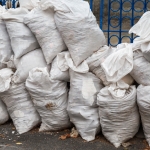

Sustainability is no longer a side project. It is now a core business decision. Companies of all sizes create waste every day. Offices replace furniture. Warehouses clear old stock. Retail stores update displays. Construction sites move fast and leave behind debris. How this waste is handled matters more than ever.
Commercial junk removal plays a key role in protecting the environment. When done right, it reduces landfill waste, saves energy, and supports local communities. When done poorly, it creates pollution and adds cost without value.
This guide breaks down the best commercial junk removal practices for sustainability. It is written in simple language. The goal is clarity, not complexity. If a middle school student can understand it, the strategy is probably solid.
Why Sustainability Matters in Commercial Junk Removal
Businesses generate a large share of total waste in the United States. According to data from the U.S. Environmental Protection Agency, commercial and institutional sources contribute a major portion of municipal solid waste. This information is publicly available, but exact percentages change over time, so exact figures cannot be confirmed with certainty.
What is clear is this: businesses have influence. Small changes at scale make a big difference.
Sustainable junk removal helps businesses in three clear ways.
First, it protects the environment. Less waste in landfills means less soil and water pollution. It also lowers greenhouse gas emissions caused by decomposing waste.
Second, it reduces costs over time. Recycling and reuse lower disposal fees. Smart sorting avoids penalties and excess hauling.
Third, it builds brand trust. Customers, employees, and partners care about how companies treat the planet. Sustainable practices send a strong signal that a business is responsible and future-focused.
Understanding Commercial Junk Removal
Commercial junk removal is different from residential pickup. The volume is larger. The materials are more complex. The rules are stricter.
Commercial waste often includes office furniture, electronics, packaging, metal, wood, drywall, plastics, and sometimes hazardous items. Each type needs a different handling method.
Sustainability starts with understanding what you are throwing away and why.
Waste Audits: The First Smart Step
A waste audit is a review of what a business throws away. It looks at types of waste, volume, and disposal methods.
This step is often skipped, but it is critical.
When you know what you waste most, you know where to improve. Many businesses discover they recycle far less than they thought. Others find reusable items going straight to dumpsters.
A basic audit does not need complex tools. It starts with observation and tracking over a short time. Even a one-week review can reveal patterns.
Based on available industry guidance, waste audits are widely recommended by environmental agencies and sustainability consultants. Exact results vary by business type.
Reduce First: The Most Sustainable Practice
Recycling is good. Reuse is better. Reduction is best.
The most sustainable junk is the junk that never exists.
Businesses can reduce waste by changing purchasing habits. Buying durable furniture instead of cheap replacements cuts waste over time. Ordering supplies in bulk reduces packaging. Going digital reduces paper waste.
These steps are simple but powerful. They lower waste volume before junk removal even begins.
Reduction also lowers hauling costs and labor time. That is a win for both sustainability and budgets.
Reuse: Extending the Life of Materials
Many items labeled as junk still have value.
Office desks, chairs, shelves, and cabinets often end up in dumpsters even when usable. The same goes for fixtures, display racks, and storage units.
Reuse means giving items a second life. This can happen inside the company or outside it.
Some businesses donate items to local nonprofits, schools, or community centers. Others resell equipment through secondary markets.
Not all items qualify, but many do. The key is sorting before removal.
Reuse reduces demand for new products. That saves raw materials and energy. Based on lifecycle studies published by environmental organizations, reuse generally has a lower environmental impact than recycling, though exact savings depend on the item.
Recycling the Right Way
Recycling is a core part of sustainable junk removal, but only when done correctly.
Mixed waste sent to recycling facilities often gets rejected. Contaminated loads end up in landfills anyway. This wastes time and money.
Best practice is source separation. This means sorting materials before they leave the site. Cardboard, metal, wood, plastics, and electronics should be separated when possible.
Clear labeling helps staff follow the system. Training matters. If people do not understand what goes where, the system fails.
Electronics need special care. E-waste contains valuable metals but also harmful substances. Proper recycling protects both people and the environment.
Recycling rules vary by state and county. Maryland, like many states, has specific guidelines. Businesses should follow local regulations to stay compliant.
Responsible Disposal of Hazardous Waste
Some commercial junk is hazardous. This includes certain chemicals, batteries, fluorescent bulbs, and some electronics.
Improper disposal can cause serious harm. It can contaminate water and soil. It can also lead to legal penalties.
Hazardous waste should never be mixed with general junk. It requires licensed handling and approved facilities.
Many businesses are unsure what counts as hazardous. When in doubt, ask a professional. Guessing is risky.
Regulations in this area change, and exact requirements depend on material type and quantity. Businesses should rely on current local guidance rather than assumptions.
Choosing a Sustainable Junk Removal Partner
A junk removal partner can make or break a sustainability plan.
The right provider focuses on diversion, not just dumping. They prioritize recycling, reuse, and donation. They understand local rules and follow them.
A good provider is transparent. They can explain where materials go. They can share diversion goals and methods.
This is where working with a local expert matters. A company like Trash and Dash Junk Removal understands Maryland regulations and local recycling options. Using a trusted local service helps ensure materials are handled responsibly instead of shipped long distances.
When businesses work with the right partner, sustainability becomes easier and more reliable.
Route Planning and Fuel Efficiency
Sustainability is not only about what happens to junk. It is also about how it gets there.
Efficient route planning reduces fuel use. Fewer miles mean fewer emissions. Modern logistics tools help optimize pickup routes and schedules.
Some junk removal companies use fuel-efficient or low-emission vehicles. While not universal, this practice is growing.
Based on transportation research, reducing unnecessary trips is one of the simplest ways to cut emissions in service industries. Exact savings depend on distance and vehicle type.
Training Employees for Better Results
Even the best plan fails without people.
Employees need clear guidance on waste handling. They should know what to recycle, what to reuse, and what needs special disposal.
Training does not need to be complex. Short sessions and clear signage go a long way.
When staff understand the purpose, they are more likely to comply. Sustainability works best when everyone is aligned.
This also improves workplace culture. Many employees value working for companies that care about the environment.
Tracking and Measuring Progress
What gets measured gets improved.
Businesses should track basic metrics such as total waste volume, recycled materials, and landfill diversion rates.
These numbers do not need to be perfect. Trends matter more than precision.
Over time, tracking shows whether practices are working. It also helps identify new opportunities for improvement.
Some junk removal providers offer reporting. This can simplify tracking and support sustainability goals.
Compliance and Legal Responsibility
Sustainability and compliance go hand in hand.
Improper disposal can lead to fines and legal trouble. Following rules protects both the environment and the business.
Regulations vary by location and material. Maryland has specific requirements for certain waste streams. Businesses should stay updated through official state and local resources.
When unsure, professional guidance is safer than assumptions.
Sustainability as a Business Advantage
Sustainable junk removal is not just about doing the right thing. It is also about smart business.
Clients and partners increasingly expect environmental responsibility. Many procurement processes now include sustainability criteria.
Clear practices improve reputation. They also support marketing and brand messaging without greenwashing, as long as claims are accurate and honest.
Based on available market research, sustainability influences purchasing decisions for many customers, though exact percentages vary by industry and region.
The Role of Local Communities
Sustainable junk removal supports local communities.
Donations help nonprofits. Recycling supports local facilities and jobs. Responsible disposal protects local land and water.
When businesses choose local providers, they strengthen the regional economy.
This creates a positive cycle where environmental and economic benefits align.
Common Mistakes to Avoid
One common mistake is treating all junk the same. This leads to missed recycling and reuse opportunities.
Another mistake is assuming recycling happens automatically. Without clear processes, it often does not.
A third mistake is choosing the cheapest option without considering environmental impact. Low upfront cost can mean higher long-term damage.
Avoiding these mistakes requires planning, not perfection.
Building a Long-Term Sustainable Strategy
Sustainability is not a one-time cleanup. It is an ongoing process.
Start small. Improve one area at a time. Review results. Adjust as needed.
Work with partners who share the goal. Communicate clearly with staff. Stay informed about local rules.
Over time, these steps become routine.
Why Professional Junk Removal Matters
Handling commercial junk internally can be risky and inefficient. Professional services bring expertise, equipment, and compliance knowledge.
A reliable provider reduces stress and errors. They also help businesses stay focused on their core work.
When sustainability is a priority, professional junk removal becomes a strategic asset, not just a cleanup service.
A Practical Example in Maryland
Businesses across Maryland face diverse waste challenges, from offices in urban areas to warehouses and retail spaces.
Local regulations, recycling access, and logistics vary by county. This makes local knowledge valuable.
Working with a Maryland-based service like Trash and Dash Junk Removal helps ensure materials are handled responsibly and in line with local expectations. Using a trusted provider also supports smoother operations and clearer reporting.
Final Thoughts
Sustainable commercial junk removal is achievable. It does not require perfection or massive budgets. It requires awareness, planning, and the right partners.
Reducing waste, reusing materials, recycling properly, and choosing responsible providers all make a real difference.
The impact goes beyond dumpsters. It reaches employees, customers, and communities.
For businesses in Maryland looking to align operations with sustainability goals, working with a professional service such as Trash and Dash Junk Removal can simplify the process while keeping environmental responsibility front and center.