


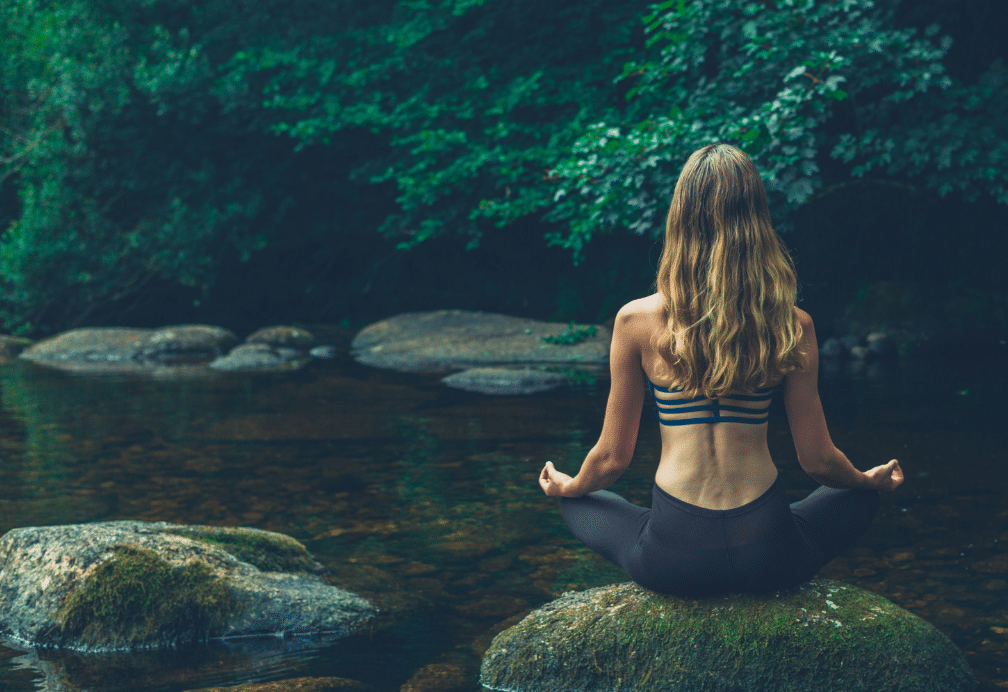
Modern life can feel overwhelming and emotionally exhausting. Busy schedules, constant responsibilities, and mental pressure leave many people feeling disconnected from themselves. Taking time away from daily stress is essential for restoring emotional balance and mental clarity. A wellness retreat offers individuals a peaceful space where they can slow down, reconnect with their emotions, and focus on personal healing. These retreats are carefully designed experiences that encourage self-discovery, emotional renewal, and personal transformation in a supportive and nurturing environment.
What Is a Wellness Retreat and Why Is It Important
A wellness retreat is a structured experience created to support emotional, mental, and sometimes physical well-being. Unlike traditional vacations that focus mainly on relaxation or sightseeing, wellness retreats are centered on personal growth and healing. Participants engage in activities that help them reconnect with themselves and gain clarity about their lives. These activities may include meditation sessions, reflective journaling, mindfulness exercises, emotional healing workshops, and guided discussions with experienced facilitators. The purpose is to help individuals step away from the noise of everyday life so they can focus on self-awareness and emotional balance. In today’s fast-paced world, many people rarely take time to pause and evaluate their emotional health. Retreats create intentional spaces where individuals can reflect, release emotional stress, and gain new perspectives that support long-term well-being.
The Role of Retreats in Trauma Healing
Trauma can affect people in many ways, including emotional distress, anxiety, difficulty trusting others, and challenges in relationships. Healing from trauma often requires supportive environments where individuals feel safe enough to explore their emotions without judgment. Wellness retreats designed for trauma healing provide that supportive atmosphere. These retreats often include therapeutic practices that help participants process emotional experiences in a healthy way. Guided healing sessions allow individuals to express and understand their feelings while learning tools that help them regulate emotions and rebuild emotional strength. Participants are also encouraged to connect with others who may be going through similar experiences. Sharing stories and listening to others can create a strong sense of belonging and understanding. This shared experience helps many people realize they are not alone in their healing journey, which can be incredibly empowering and comforting.
Emotional Renewal Through Mindfulness and Reflection
One of the most powerful benefits of attending a retreat is emotional renewal. When people constantly deal with work stress, family responsibilities, and digital distractions, their minds rarely have the chance to rest. Wellness retreats provide a break from these pressures and create a calm environment that supports relaxation and clarity. Mindfulness practices play a central role in this process. Techniques such as meditation, breathwork, mindful walking, and reflective journaling help participants slow down and become more aware of their thoughts and emotions. This awareness allows individuals to understand their emotional patterns and develop healthier responses to stress. Many participants leave retreats feeling mentally refreshed and emotionally lighter because they have finally given themselves permission to pause and focus on their inner well-being.
Strengthening Relationships Through Retreat Experiences
While many retreats focus on individual healing, some also offer opportunities for partners to reconnect and grow together. Relationship challenges often arise when couples face stress, communication difficulties, or unresolved emotional issues. Retreats designed for couples create a supportive setting where partners can explore these challenges with guidance from experienced facilitators. Programs such as couples retreat utah provide structured workshops that encourage honest communication, emotional understanding, and deeper connection between partners. Couples participate in exercises that help them listen more effectively, express emotions openly, and strengthen trust in their relationship. These experiences allow partners to step away from everyday distractions and focus entirely on their connection with each other. Many couples report that retreat experiences help them rebuild intimacy, improve communication, and develop stronger emotional bonds.
Personal Transformation and Self-Discovery
A major goal of any wellness retreat is personal transformation. When individuals step away from their usual routines and spend time reflecting on their thoughts and emotions, they often gain valuable insights about themselves. Retreat environments encourage self-discovery through guided exercises, group discussions, and quiet moments of reflection. Participants are often encouraged to identify patterns that may be limiting their happiness or growth. By recognizing these patterns, individuals can begin to replace them with healthier perspectives and habits. Personal transformation does not always happen instantly, but retreats often serve as the starting point for meaningful change. Many participants return home with a renewed sense of purpose, improved emotional awareness, and practical tools they can continue using in their daily lives.
Why Supportive Environments Matter for Healing
Healing and personal growth are easier when individuals feel supported and understood. Wellness retreats emphasize community and connection because these elements play a powerful role in emotional recovery. Being surrounded by compassionate facilitators and like-minded participants creates a sense of safety that encourages openness and vulnerability. This supportive atmosphere allows individuals to share their experiences without fear of judgment. It also helps participants learn from one another, gaining new perspectives and encouragement along the way. The sense of belonging that develops in these environments can have lasting effects, helping individuals build confidence and resilience long after the retreat ends.
Conclusion
Wellness retreats offer more than just a temporary escape from everyday life. They provide structured experiences that support emotional healing, personal reflection, and meaningful transformation. Through mindfulness practices, supportive communities, and guided workshops, participants gain valuable tools that help them navigate life with greater clarity and emotional balance. Whether someone is seeking trauma healing, emotional renewal, or stronger relationships, a well-designed retreat can become a powerful step toward lasting personal growth and well-being.