
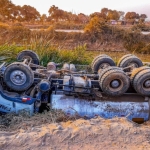






Glendale sits where the 134 meets the 5 and the 2, a junction that carries heavy commercial truck traffic every day. Delivery trucks serve the Americana at Brand and the Glendale Galleria, freight moves through the city on its way to and from Los Angeles, and construction and industrial vehicles work throughout Glendale's business districts. With that much truck traffic sharing the road with passenger vehicles, pedestrians, and cyclists, serious crashes are a real risk.
A collision with a commercial truck is nothing like an ordinary car accident. A fully loaded truck can weigh tens of thousands of pounds, and the people in a smaller vehicle often absorb the worst of the impact. If you or a loved one was hurt, a Glendale truck accident lawyer can investigate what happened, identify every responsible party, and pursue the compensation you need.
Why Truck Accidents Are So Dangerous
The size and weight of a commercial truck create risks that passenger vehicles do not. Trucks need far more distance to stop, make wide turns, and have large blind spots on all sides. When a truck strikes a car, pedestrian, or cyclist, the smaller party absorbs most of the force.
Common truck accident types include:
- Rear-end collisions when a truck cannot stop in time
- Jackknife accidents, where the trailer swings out at an angle to the cab
- Rollovers, especially on freeway ramps and tight turns
- Underride crashes, where a smaller vehicle slides beneath a trailer
- Wide-turn and sideswipe accidents
- Blind-spot lane-change crashes
- Backing and delivery-related accidents in commercial areas
- Cargo spills from unsecured or overloaded loads
- Brake failures
Why the 134/5/2 Interchange and Local Routes Carry Extra Risk
Glendale's location makes it a natural corridor for commercial traffic. A few local factors raise the risk of a serious truck crash:
- Heavy merge volume where the 134, 5, and 2 come together
- Frequent lane changes as trucks navigate to connecting freeways
- Delivery trucks stopping and maneuvering around the Americana, the Galleria, and downtown businesses
- Congestion and sudden slowdowns, especially during commute hours
- Construction activity that can shift traffic patterns with little warning
Common Causes of Truck Accidents
- Driver fatigue. Long hours and delivery pressure can lead to drowsy driving.
- Distracted driving. Phones, dispatch systems, and navigation devices divert attention.
- Speeding or following too closely, especially dangerous for heavy vehicles.
- Impaired driving from alcohol, drugs, or certain medications.
- Improper maintenance, such as worn brakes and tires.
- Overloaded or poorly secured cargo.
- Inadequate driver training or screening.
- Company pressure to meet unrealistic delivery schedules.
Regulations That May Matter
Commercial trucking is regulated by federal and California law. Depending on the size and type of vehicle, rules may cover:
- Hours of service, which limit driving time and require rest breaks
- Driver qualifications, including commercial licenses and medical certification
- Vehicle inspection and maintenance, with required records
- Drug and alcohol testing, including after certain crashes
- Weight limits and cargo securement
Violations of these rules can be strong evidence of negligence. An attorney can review whether the driver and company complied.
Who May Be Responsible?
A truck accident can involve several potentially liable parties:
- The truck driver
- The trucking or delivery company, for its driver's conduct and its own hiring, training, scheduling, and maintenance practices
- A contractor or delivery service provider, if the driver worked under a separate business operating under a larger brand
- The truck or trailer owner or leasing company
- A cargo loader or shipper, if improper loading contributed
- A maintenance or repair shop that failed to fix a known problem
- A manufacturer, if a defective part or design contributed
- A government agency, if a dangerous road condition played a role
Trucking and delivery companies often argue that a driver was an independent contractor, or that a separate contractor is the only responsible party. Whether that holds up depends on how the work was actually controlled, so contracts and operating relationships need careful review.
Evidence in Truck Accident Cases
Trucking and delivery companies often respond quickly after a serious crash, and key data can be overwritten or lost. Important evidence may include:
- The police report
- Electronic logging device (ELD) data showing hours of service, where applicable
- Event data recorder ("black box") data with speed, braking, and other information
- Route, GPS, and telematics data
- Dash-cam and surveillance footage
- Driver qualification and training files
- Maintenance, inspection, and repair records
- Cargo and weight documents
- Drug and alcohol test results
- Cell phone records
- Photos of the scene and the truck's company name and plate
- Witness statements
An attorney can send a preservation letter demanding that the company keep this evidence before it is lost.
Common Injuries in Truck Crashes
- Traumatic brain injuries and concussions
- Spinal cord injuries and paralysis
- Broken bones and crush injuries
- Internal organ damage and bleeding
- Burns, especially with fires or hazardous cargo
- Amputations
- Emotional trauma, including PTSD and fear of driving
Recovery can take months or years, and some injuries mean permanent disability or lifelong care.
Insurance in Commercial Truck Cases
Commercial carriers generally must carry more liability insurance than ordinary drivers, though the amount depends on the type of operation and vehicle. Higher limits can matter when injuries are severe, but the insurer will still defend the claim aggressively. An attorney can identify every policy that may apply, including coverage held by multiple parties involved in the delivery or trip.
Shared Fault Under California Law
California follows pure comparative negligence. If you are found partly at fault, your compensation is reduced by your percentage of responsibility, but not eliminated. For example, if you are found 15% at fault for a $500,000 loss, you could still recover $425,000.
Trucking companies and insurers often try to shift blame onto the other driver, pedestrian, or cyclist, so strong evidence is essential.
What to Do After a Truck Accident
- Call 911 and request police and medical help.
- Get to safety, if you can.
- Photograph the scene: vehicle positions, damage, skid marks, debris, road conditions, and the truck's company name and plate.
- Get information from the truck driver and any witnesses.
- Do not admit fault or discuss the crash with the driver or company representatives.
- Seek medical care right away, even if you feel fine.
- Follow your treatment plan and keep all medical records and bills.
- Do not give a recorded statement to the trucking company's insurer.
- Contact an attorney quickly so evidence can be preserved.
Compensation You May Be Able to Recover
Depending on the facts, a truck accident claim may include:
- Medical expenses, past and future, including surgery and rehabilitation
- Long-term or in-home care
- Lost wages and loss of earning capacity
- Pain and suffering, emotional distress, and loss of enjoyment of life
- Property damage
- Wrongful death damages for surviving family members, if the crash was fatal
- Punitive damages in rare cases involving especially reckless or malicious conduct
Deadlines to Keep in Mind
- Personal injury lawsuits: generally two years from the date of the accident
- Property damage claims: generally three years
- Claims against government entities: generally six months for the initial claim
- Wrongful death claims: generally two years from the date of death
Because critical data can be lost quickly, waiting is risky even if a deadline seems far away.
Mistakes That Can Hurt a Truck Accident Claim
- Talking to the trucking company's adjuster without legal advice
- Failing to document the truck's identifying information
- Assuming only the driver, or only a contractor, can be held responsible
- Skipping medical care or missing follow-up appointments
- Posting about the crash on social media
- Accepting a quick settlement before the full extent of your injuries is known
- Waiting too long to have evidence preserved
How a Glendale Truck Accident Lawyer Can Help
An experienced attorney can:
- Send preservation letters for logs, telematics, and company records
- Investigate the crash and work with accident reconstruction experts
- Review the trucking company's compliance with safety regulations
- Sort out employer, contractor, and delivery service relationships
- Identify every responsible party and available insurance policy
- Work with medical and life-care planning experts to document long-term needs
- Handle insurers and negotiate for a fair settlement
- File suit and represent you at trial if necessary
Many personal injury firms work on a contingency fee basis, meaning you typically pay no attorney fees unless you recover compensation. Confirm the terms during your consultation.
Hurt in a Truck Crash? Talk to a Lawyer
A crash with a commercial truck can upend your health, your finances, and your family's future, and the companies involved often have legal teams ready to protect their interests. You deserve the same level of support. If you were injured in a truck accident in Glendale or elsewhere in Los Angeles County, contact a Glendale truck accident lawyer to talk through what happened and learn what options may be available.