





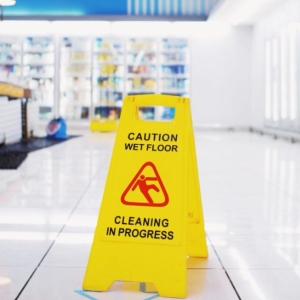
A slip and fall can happen in seconds, but determining who may be legally responsible can require a much closer look at the property and what happened before the accident. A wet floor, uneven surface, broken step, poor lighting, loose flooring, or another dangerous condition may create a serious risk of injury.
For a person injured in Glendale, an important part of a premises liability claim can be determining whether the property owner or another responsible party knew about the dangerous condition or should reasonably have discovered it.
If you were injured because of a hazardous condition on someone else's property, a Glendale slip and fall lawyer can help investigate the circumstances and identify evidence that may support your claim.
Why Notice Matters in a Slip and Fall Case
A property owner is not automatically responsible simply because someone was injured on the property. The circumstances surrounding the dangerous condition matter.
California's Judicial Council jury instructions explain that premises liability involving an unsafe condition can depend on whether the person responsible for the property knew, or through reasonable care should have known, about the condition and failed to repair it, protect people from it, or provide an adequate warning.
That makes the history of the hazard important.
For example, consider a grocery store aisle where liquid has been sitting on the floor for an extended period. Evidence showing that employees had enough time to discover and clean the spill could become relevant to whether the property operator had constructive notice.
Actual Notice and Constructive Notice
There are different ways evidence may address a property owner's knowledge of a dangerous condition.
Actual notice
Actual notice generally involves evidence that the responsible party actually knew about the hazardous condition.
Examples might include:
-
An employee reported a spill
-
A customer notified an employee
-
A maintenance worker observed the problem
-
A previous complaint identified the hazard
-
An inspection documented the condition
Evidence of a previous report can be particularly relevant when investigating how long the condition existed and what the property operator did afterward.
Constructive notice
Constructive notice concerns circumstances where the condition existed long enough, or was sufficiently discoverable, that reasonable care could have led to its discovery.
The California Judicial Council's current premises-liability instructions specifically address constructive notice and explain that the evidence may involve whether a dangerous condition existed for enough time that it should have been discovered through reasonable care.
This is why the question is not always simply, "Did someone admit they knew about it?"
The investigation may instead focus on what a reasonable inspection or maintenance system would have revealed.
Inspection Records Can Become Important Evidence
Businesses and property operators may have inspection procedures designed to identify hazards.
Depending on the property, relevant records could include:
-
Floor inspection logs
-
Cleaning schedules
-
Maintenance records
-
Repair requests
-
Employee reports
-
Incident reports
-
Safety checklists
-
Inspection policies
-
Work orders
-
Internal communications
These records may help establish what inspections were supposed to occur and whether the dangerous condition could have been discovered before the accident.
The Judicial Council's premises-liability materials recognize that reasonable inspection of property can be relevant when determining whether a dangerous condition should have been discovered.
How Long Was the Hazard Present?
One of the most important questions in some slip-and-fall cases is how long the dangerous condition existed before the accident.
Consider a few examples.
A person walks into a store and slips on a puddle that appeared moments earlier. The evidence concerning notice may be different from a situation where the puddle had been present long enough for employees conducting reasonable inspections to discover it.
Similarly, a broken floor tile that had been damaged for weeks may raise different factual questions than damage that occurred immediately before someone fell.
Determining the timeline can therefore be an important part of the investigation.
Photographs Can Preserve the Condition of the Property
A dangerous condition may be repaired or removed shortly after an accident.
Photographs taken as soon as reasonably possible can help document what the area looked like at the time.
Depending on the incident, photographs may show:
-
The exact location of the fall
-
Water or another substance on the floor
-
Uneven flooring
-
Cracked pavement
-
Broken stairs
-
Missing handrails
-
Poor lighting
-
Obstructions
-
Damaged carpeting
-
Warning signs
-
The surrounding area
Photographs can also help establish the size, location, and appearance of a hazard.
California Courts recommends keeping evidence such as photographs, medical records, bills, witness statements, and reports in personal injury cases.
Surveillance Video May Show What Happened Before the Fall
Many businesses use security cameras in entrances, aisles, parking areas, stairways, and other locations.
When available, surveillance footage may help answer questions such as:
-
When did the hazardous condition appear?
-
Did employees walk past it?
-
Did another customer report it?
-
Was anyone assigned to inspect the area?
-
Was a warning sign present?
-
How did the fall occur?
-
What happened immediately afterward?
Video can be especially valuable when there are disagreements about what happened.
Because surveillance systems can have limited retention periods, identifying potentially relevant footage promptly may be important.
Witnesses Can Help Establish the Timeline
A witness may have seen the dangerous condition before the accident or observed what happened immediately afterward.
For example, a witness may remember:
-
Seeing liquid on the floor before the fall
-
Watching an employee walk through the area
-
Noticing a broken surface
-
Seeing whether warning signs were present
-
Hearing another customer report the hazard
-
Observing the person's fall
Witness information should be preserved as accurately as possible.
A witness does not need to know anything about premises liability law. Their observations may simply help establish what they saw.
The Type of Property Can Affect the Investigation
Slip-and-fall accidents can happen in many different places throughout Glendale.
Examples include:
-
Grocery stores
-
Restaurants
-
Shopping centers
-
Retail stores
-
Apartment buildings
-
Office buildings
-
Hotels
-
Parking structures
-
Sidewalks
-
Stairways
-
Residential properties
-
Commercial properties
The evidence required may vary depending on the location.
For example, a grocery store case could involve floor inspection and cleaning records, while an apartment case could involve maintenance requests, repair records, and communications between tenants and property management.
Property Ownership and Control May Need to Be Identified
The person injured may know the name of the business but not necessarily know who owns or controls the property.
That distinction can matter.
California Courts explains that identifying the proper party in a personal injury case is not always straightforward and may involve the person who caused the injury, the property owner, or another responsible party depending on the circumstances.
A commercial property may involve several different parties, such as:
-
Property owners
-
Business operators
-
Property management companies
-
Maintenance contractors
-
Security companies
-
Tenants
-
Other entities responsible for particular areas
An investigation can help determine who had responsibility for the condition that caused the injury.
What If the Property Owner Says the Hazard Was Temporary?
A property owner or insurer may argue that the dangerous condition appeared only moments before the accident.
That can become a factual dispute.
Evidence may help establish the timeline, including:
-
Surveillance video
-
Employee statements
-
Inspection records
-
Cleaning logs
-
Customer complaints
-
Photographs
-
Witness testimony
-
Maintenance records
The available evidence should be evaluated together rather than relying on one statement about when the hazard appeared.
Your Own Actions May Also Be Examined
In a premises liability case, the circumstances surrounding the injured person's actions can become relevant.
For example, an insurer may ask whether the person:
-
Could see the hazard
-
Was distracted
-
Was using a designated walkway
-
Followed posted instructions
-
Was in an area open to customers or visitors
-
Took reasonable care under the circumstances
California Courts recognizes that personal injury cases can involve questions about fault and what each party did.
This does not mean an injured person automatically loses a claim because the other side raises an argument about their conduct. The facts and available evidence need to be examined.
Medical Evidence Should Be Preserved Too
The property condition is only one part of a slip-and-fall claim.
Medical documentation can help establish the injuries caused by the incident.
Depending on the circumstances, injuries may include:
-
Broken bones
-
Sprains
-
Torn ligaments
-
Back injuries
-
Neck injuries
-
Shoulder injuries
-
Knee injuries
-
Hip injuries
-
Head injuries
-
Traumatic brain injuries
Medical records can document diagnosis, treatment, imaging, follow-up appointments, and recommendations for additional care.
Keep medical bills, treatment records, prescription information, and other accident-related documentation in an organized file.
Document How the Injury Affects Your Daily Life
A slip and fall can affect activities that do not appear on a medical bill.
For example, an injury may make it difficult to:
-
Walk normally
-
Drive
-
Work
-
Exercise
-
Care for children
-
Perform household tasks
-
Sleep comfortably
-
Participate in hobbies
Keeping a simple record of these limitations can help preserve information about the practical effects of an injury.
Do Not Assume the First Explanation Is the Complete Story
A property owner may provide an explanation for why an accident occurred. An insurance company may also reach an early conclusion about responsibility.
Those explanations can be reviewed against the available evidence.
Questions worth investigating can include:
-
Was the condition documented?
-
How long may it have existed?
-
Were inspections performed?
-
Were previous complaints made?
-
Was surveillance footage available?
-
Who controlled the area?
-
Were warning signs present?
-
Was the condition repaired afterward?
-
Are there records showing prior maintenance problems?
The answers may provide a clearer picture of the circumstances surrounding the accident.
What a Glendale Slip and Fall Lawyer Can Investigate
A lawyer handling a premises liability claim may investigate both the accident and the history of the property condition.
Depending on the circumstances, this may include:
-
Identifying the property owner
-
Identifying the party controlling the area
-
Preserving photographs and video
-
Gathering witness information
-
Reviewing inspection records
-
Reviewing maintenance records
-
Investigating prior complaints
-
Examining incident reports
-
Reviewing medical documentation
-
Evaluating insurance coverage
-
Assessing potential damages
-
Communicating with insurers
California Courts identifies evidence preservation and determining the correct responsible party as important considerations in personal injury cases.
California Slip and Fall Deadlines
A person injured in a slip-and-fall accident should also pay attention to legal deadlines.
California Courts states that the general deadline for filing a personal injury lawsuit is two years from the date of injury, although exceptions may apply. Different rules can apply when a government entity is involved.
Government property claims can involve additional administrative requirements and shorter deadlines, so a person injured on public property should not assume the standard deadline applies.
Because deadlines are fact-specific, obtaining legal advice promptly can help determine which rules apply.
Frequently Asked Questions
Does a property owner have to know about a hazard for a slip-and-fall claim?
Not necessarily. Evidence may concern actual knowledge or whether the dangerous condition existed long enough that the property owner or responsible party should have discovered it through reasonable care. California's Judicial Council addresses constructive notice in its premises-liability instructions.
What evidence can prove a store knew about a dangerous condition?
Potential evidence may include surveillance footage, employee reports, customer complaints, inspection records, maintenance logs, incident reports, photographs, and witness testimony.
How can I prove how long a spill was on the floor?
There may not be a single piece of evidence that establishes the exact duration. Surveillance video, inspection records, witness observations, employee activity, photographs, and other circumstances may help establish a timeline.
What should I photograph after a slip and fall?
If possible, photograph the dangerous condition, the surrounding area, warning signs, lighting, flooring, footwear, visible injuries, and anything else that helps show the circumstances of the accident.
Can I have a claim if I slipped in a grocery store or retail business?
Potentially. Slip-and-fall accidents are recognized as a type of personal injury case, but whether a claim exists depends on the specific facts, including the dangerous condition, responsibility for the property, notice, causation, and resulting injuries.
How long do I have to file a Glendale slip-and-fall lawsuit?
California's general personal injury deadline is two years from the injury, but exceptions may apply. Different procedures and deadlines can apply to claims involving government property.
Talk With a Glendale Slip and Fall Lawyer
A slip-and-fall injury can involve much more than determining where someone fell. The investigation may need to establish what caused the hazard, how long it existed, who controlled the area, whether reasonable inspections were performed, and what evidence supports the claim.
If you were injured because of a dangerous condition at a Glendale property, Babaians Law Firm can review the circumstances of your accident and discuss your legal options.
Call (818) 334-2981 for a free consultation or free case evaluation. The firm is available 24/7. Hablamos español. No fees unless we win.