

Flood damage restoration helps reduce mold risk by removing standing water, drying wet materials, cleaning affected surfaces, and finding hidden moisture before mold spreads. For Cleveland homeowners, quick action after a basement flood, heavy rain, or plumbing leak can help protect the home, improve indoor air quality, and prevent costly repairs.
The key is not just to remove the water you can see. Water can soak into drywall, wood, carpet, insulation, and flooring. If these materials stay damp, mold can begin to grow within 24 to 48 hours under suitable conditions, according to the U.S. Environmental Protection Agency (EPA).
That is why professional flood damage restoration focuses on both visible water and moisture hidden inside the home.
Why Flood Damage Can Lead to Mold Growth
Mold needs moisture and a suitable surface to grow. Floodwater can provide both by soaking into materials such as wood, drywall, carpet, paper, and insulation.
Even after the water disappears, moisture may remain trapped beneath floors, behind walls, or inside basement materials.
For example, a Cleveland homeowner may remove water from a flooded basement and assume the problem is solved. However, the carpet padding and subfloor may still be wet. Without proper drying, mold can develop in these hidden areas.
Common signs of moisture damage include:
- A musty smell in the basement or other rooms.
- Damp carpet, flooring, or drywall.
- Warped baseboards or peeling paint.
- Dark spots or discoloration on walls and ceilings.
- Condensation or unusually high indoor humidity.
The Ohio Department of Health also identifies musty odors, damp areas, and warped trim as possible signs of mold problems.
The main lesson: Removing standing water is only the first step. The affected materials must also be cleaned, dried, and checked for remaining moisture.
5 Ways Flood Damage Restoration Helps Prevent Mold
1. Removes Standing Water Quickly
The first step in flood damage restoration is removing water from affected areas.
Standing water can continue soaking into floors, walls, furniture, and other materials. The longer these materials remain wet, the harder they may be to dry completely.
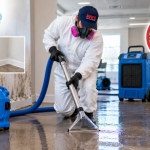
Professional restoration teams use water extraction equipment to remove water from basements, living areas, and other flooded spaces.
This is especially important when water has entered a basement through a foundation opening, backed-up drain, plumbing failure, or heavy rainfall.
Removing water quickly helps limit further damage and allows the drying process to begin.
2. Dries Hidden Moisture Inside Walls and Floors
One of the biggest risks after flooding is moisture that cannot be seen.
Water may collect beneath carpet, behind baseboards, under laminate flooring, or inside wall cavities. A room can look dry while damp materials remain inside.
Flood damage restoration professionals can use moisture meters and other inspection tools to identify wet areas. They can then use commercial dehumidifiers and air movers to support controlled drying.
In some cases, wet drywall, insulation, carpet padding, or other materials may need to be removed and replaced.
The correct approach depends on the material, the amount of water, how long it remained wet, and whether the water was contaminated.
Thorough drying matters because mold prevention depends on controlling moisture, not simply making surfaces look clean.
3. Helps Identify Materials That Need Cleaning or Removal
Not every water-damaged material can be saved.
Hard surfaces may often be cleaned and dried. However, porous materials that have absorbed contaminated floodwater or developed mold may require removal.
Examples include:
- Drywall: May need removal if it is swollen, damaged, contaminated, or cannot be dried properly.
- Carpet and padding: May be difficult to salvage after prolonged soaking or sewage contamination.
- Insulation: Often needs replacement when wet or contaminated.
- Wood: May be salvageable if it can be cleaned and dried thoroughly, depending on the damage.
- Furniture and personal belongings: May be recoverable if the material and contamination level allow safe cleaning and drying.
A proper assessment helps homeowners avoid two costly mistakes: keeping materials that cannot be safely restored or replacing materials that could have been saved.
4. Cleans Affected Areas and Addresses Contamination
Floodwater does not always contain clean water.
Water from sewage backups, drains, or outdoor flooding may contain bacteria, chemicals, dirt, and other contaminants. Cleaning requirements depend on the source of the water.
Professional restoration may involve removing damaged materials, cleaning suitable surfaces, containing affected areas, and following appropriate safety procedures.
If mold is already present, simply painting over it or spraying a surface cleaner is not enough. The moisture source must be corrected, and the mold must be properly removed.
The EPA explains that mold cleanup is unlikely to remain effective if the underlying moisture problem is not fixed. Read its guide to mold removal.
5. Reduces the Chance of Repeat Water Damage
Restoration should also address why the water entered the property.
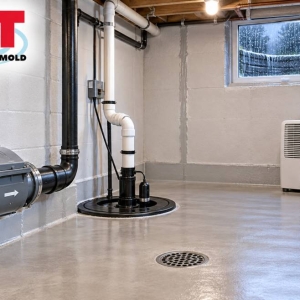
Depending on the situation, the cause may involve a leaking pipe, a failed sump pump, a blocked drain, a roof leak, or water entering around the foundation.
Drying a basement without addressing the source can leave the home vulnerable to another flood.
A complete restoration plan may therefore include identifying the source, recommending necessary repairs, and checking for moisture after drying.
For Cleveland homeowners, this is particularly relevant when basement water problems return after heavy rain or snowmelt.
Fixing the immediate damage is important. Reducing the chance of another water intrusion is what helps protect the home over time.
Why Fast Action Matters After a Flood
The first 24 to 48 hours are an important window for mold prevention.
The EPA advises homeowners to dry wet materials and affected areas within this period when possible. This is a guideline, not a guarantee: mold may develop sooner in some conditions, and drying within 48 hours does not guarantee that mold has not already started.
Quick action can help:
- Reduce the time materials remain wet.
- Limit damage to flooring, drywall, and belongings.
- Lower the risk of mold growth.
- Reduce the amount of material that may need replacement.
- Help prevent a small water problem from becoming a larger restoration project.
If you discover flooding, document the damage for insurance purposes when it is safe to do so, and arrange an assessment promptly.
Do not enter an area with standing water if electrical hazards or structural damage may be present.
A Practical Flood Damage Restoration Process for Cleveland Homeowners
Use the following steps after discovering water damage in your home.
Step 1: Make Sure the Property Is Safe
Stay away from standing water if electrical equipment, outlets, or wiring may be affected. Do not enter a damaged building until it is safe.
If the water may contain sewage or chemicals, avoid direct contact and seek qualified help.
Step 2: Stop the Source of Water
If it is safe, shut off the leaking supply or arrange the repair. For recurring basement flooding, the cause may require inspection of drainage, the sump pump, plumbing, or foundation.
Step 3: Document the Damage
Take photographs and videos of affected rooms and belongings before cleanup, when safe. Contact your insurance company and keep records of restoration work and expenses.
Step 4: Remove Water and Begin Drying
Standing water should be extracted promptly. Wet materials should then be assessed, cleaned where appropriate, and dried using suitable equipment.
Do not assume that household fans alone will dry water trapped inside walls or beneath floors.
Step 5: Check Hidden Areas
Inspect behind baseboards, under flooring, around basement walls, and in other areas that may have absorbed water.
Moisture measurements can help determine whether materials are dry enough for repairs.
Step 6: Remove Unsalvageable Materials and Address Mold
Damaged or contaminated materials may need removal. If mold has developed, appropriate cleanup and containment may be required.
Avoid covering mold with paint or new flooring before the underlying issue is resolved.
Step 7: Confirm Drying Before Repairs
Before replacing drywall, installing flooring, or repainting, make sure the affected materials are sufficiently dry and the source of moisture has been corrected.
This final check can help reduce the risk of trapping moisture behind new finishes.
DIY Cleanup vs. Professional Flood Damage Restoration
Small spills involving clean water may be manageable for homeowners if the area is safe and all affected materials can be dried thoroughly.
Larger floods often require more equipment and a closer inspection.
| Situation | Recommended approach |
|---|---|
| Small, clean-water spill on a hard surface | Home cleanup may be suitable |
| Water covering a large basement area | Professional assessment is advisable |
| Wet drywall, insulation, or flooring | Inspect for hidden moisture |
| Sewage or contaminated floodwater | Use qualified restoration professionals |
| Visible mold or a persistent musty odor | Investigate the moisture source and assess the affected area |
| Repeated basement flooding | Address the underlying water-entry problem |
Professional help is particularly valuable when water has spread into several rooms, remained for an extended period, or affected building materials that are difficult to inspect.
The EPA recommends considering qualified help when flooded-home cleanup is too difficult or dangerous to handle safely. Its flooded-home guidance explains important safety and cleanup precautions.
Common Mistakes That Increase Mold Risk
Cleaning Visible Water but Ignoring Hidden Moisture
A dry-looking floor does not prove that the subfloor or wall cavities are dry. Check the materials that absorbed water, not just the surfaces you can see.
Waiting for a Musty Smell
Mold may develop before a strong odor appears. Start drying and assessing the damage as soon as possible rather than waiting for obvious signs.
Using Bleach as the Only Solution
Bleach does not replace proper moisture control, cleaning, or removal of damaged porous materials. Never mix bleach with other cleaning products.
Replacing Flooring Too Soon
Installing new flooring over a damp subfloor can trap moisture. Confirm that the underlying materials are dry before rebuilding.
Ignoring the Cause of the Flood
If water continues entering through a leak, drain, or foundation, mold risk can return. Restoration should include a plan to address the source.
Advanced Insight: Measure Dryness, Not Just Progress
A useful way to evaluate flood restoration is to separate the work into three stages: water removal, material drying, and moisture control.
These stages solve different problems.
- Water removal gets rid of standing water.
- Material drying removes moisture absorbed by building materials and belongings.
- Moisture control addresses the conditions that could cause the problem to return.
For example, a basement may look clean after water extraction, but the bottom of a drywall panel may still be damp. Painting the wall at that point can hide the problem rather than solve it.
A better approach is to inspect affected materials, track moisture during drying, and verify conditions before repairs begin.
Homeowners can also reduce future risk by maintaining gutters and downspouts, directing water away from the foundation, and keeping sump pumps in working order.
The goal is not merely to restore the appearance of the room. It is to restore a dry, safe space and reduce the chance of repeated damage.
Key Takeaways
- Flood damage restoration reduces mold risk by removing water, drying materials, and controlling moisture.
- The first 24 to 48 hours are an important period for preventing mold growth.
- Hidden moisture beneath floors and inside walls can cause problems even when a room looks dry.
- Contaminated water and extensive damage often require professional cleanup.
- Mold cleanup is not complete until the moisture source has been corrected.
- Cleveland homeowners should investigate recurring basement water problems instead of repeatedly cleaning the same area.
If your home has experienced flooding, prompt action and thorough drying can help limit damage and reduce the risk of future mold problems.
Frequently Asked Questions
1. How does flood damage restoration prevent mold?
Flood damage restoration helps prevent mold by removing standing water, drying wet building materials, cleaning affected surfaces, and identifying hidden moisture. It also helps determine which damaged materials need replacement and whether the source of the water has been fixed.
2. How quickly can mold grow after a flood?
Mold can begin growing within 24 to 48 hours when moisture and other suitable conditions are present. Growth may occur sooner or later depending on the materials and environment. Homeowners should begin safe water removal and drying immediately rather than waiting for visible mold.
3. Can I prevent mold after basement flooding myself?
You may be able to manage a small, clean-water spill if the area is safe and all affected materials can be dried thoroughly. Larger floods, sewage backups, wet wall cavities, and widespread damage are better handled by qualified professionals.
4. Does flood damage restoration remove existing mold?
Restoration may include mold cleanup when mold is found. The work can involve containment, removal of affected materials, cleaning, and moisture control. The exact process depends on the extent of growth, the materials involved, and the source of the water.
5. Why does my basement smell musty after water removal?
A musty smell may indicate that moisture remains in carpet padding, drywall, wood, or other hidden areas. It can also indicate existing mold growth. Investigating the source and checking affected materials is more effective than masking the odor.
6. What should I do if floodwater contains sewage?
Avoid contact with the water and do not treat it like a normal clean-water spill. Sewage-contaminated water may contain harmful microorganisms and requires appropriate protective measures, cleaning, and disposal. Contact a qualified restoration professional.
7. Is professional flood damage restoration worth it?
Professional restoration can be valuable when flooding affects large areas, penetrates building materials, involves contaminated water, or creates hidden moisture problems. Proper drying and assessment may help limit additional damage and reduce the risk of expensive repairs later.
8. How can Cleveland homeowners reduce the risk of future basement flooding and mold?
Maintain gutters and downspouts, direct surface water away from the foundation, inspect sump pumps and drainage systems, and repair leaks promptly. If flooding occurs repeatedly, investigate the underlying cause rather than relying on cleanup alone.
Need Help With Flood Damage in Cleveland, Ohio?
If your home has experienced basement flooding, a plumbing leak, or other water damage, start by identifying the source and determining how far the moisture has spread.
A professional flood damage assessment can help identify affected materials, establish a drying plan, and determine whether additional mold cleanup or repairs are needed.
Acting early can help protect your home and reduce the chance of a small water problem becoming a much larger one.