

Introduction
Choosing a cable tray may seem straightforward, but the right product depends on several technical and practical factors. A tray that is too small can create installation problems, while an unsuitable material or finish may not perform well in the working environment.
For industrial buyers, understanding cable tray sizes, design requirements, and pricing factors makes it easier to prepare specifications and compare suppliers.
How to Choose the Right Cable Tray Sizes
Cable tray sizes generally refer to the width, side height, length, and thickness of the tray. The appropriate dimensions depend on the cables being installed and the available space along the route.
Before finalizing the size, consider:
- Cable quantity: Determine how many cables will run through the tray.
- Cable dimensions: Account for cable diameter and bending requirements.
- Cable weight: Check the combined load against the tray's rated capacity.
- Future expansion: Allow room for additional cables where appropriate.
- Installation layout: Consider the route, supports, bends, and access points.
The selected tray should comply with the manufacturer's specifications and relevant electrical installation requirements.
Why Cable Tray Design Matters
A good cable tray design is about more than selecting the correct width. It must also account for the complete cable route and the conditions in which the system will operate.
For example, a large factory may require multiple changes in direction, branch connections, and different support arrangements. Planning these details before installation helps avoid unnecessary cutting, rework, and maintenance difficulties.
The design should also consider cable separation, environmental exposure, accessibility, and future modifications.
Understanding Different Cable Tray Types
Different cable tray types are designed for different applications.
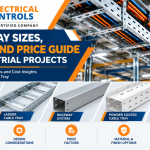
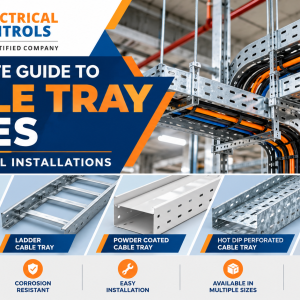
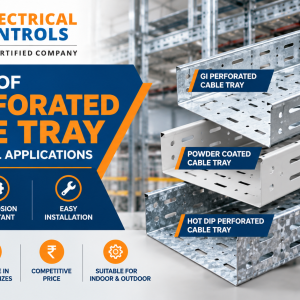
Perforated Cable Tray
This tray has openings along its base and is commonly used in commercial and industrial installations requiring accessible cable routing.
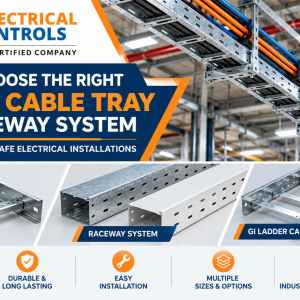
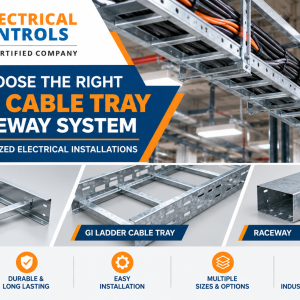
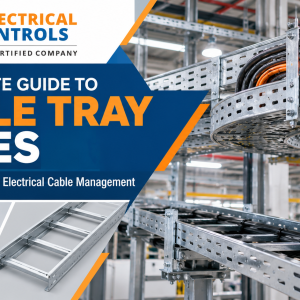
Ladder Cable Tray
Its open, rung-based structure is often suitable for longer routes and cable arrangements requiring substantial support, provided the specified load capacity is adequate.
GI Cable Tray
A GI cable tray uses galvanized steel to provide corrosion resistance under appropriate operating conditions. It is available in different configurations, including perforated and ladder designs.
Powder Coated Cable Tray
This option features a powder-applied finish that can provide a uniform appearance and additional surface protection when suited to the installation environment.
The correct choice depends on the project specification, cable load, environmental conditions, and maintenance requirements.
What Determines Cable Tray Price?
There is no single price for every cable tray because the cost depends on the product specification and order requirements.
The main factors include:
- Material: Different metals and grades have different costs.
- Dimensions: Tray width, height, length, and thickness affect material usage.
- Surface finish: Galvanizing and powder coating involve different finishing processes.
- Load requirements: The specified construction and strength requirements can affect cost.
- Order quantity: Bulk orders may have different commercial terms.
- Accessories: Bends, tees, couplers, covers, and supports may add to the total cost.
To obtain an accurate cable tray price, provide the supplier with complete dimensions, material details, finish requirements, quantity, and accessories.
Tips for Buying an Electrical Cable Tray
Before placing an order, review the product specifications carefully. Check the material, dimensions, thickness, surface finish, load capacity, and compatibility with the installation environment.
It is also useful to confirm whether the quotation includes accessories, packaging, delivery, and applicable taxes. Comparing products with matching specifications helps you make a more informed purchasing decision.
JP Electrical & Controls can be considered when sourcing cable management products for electrical and industrial projects. Discuss your technical requirements with the supplier to identify an appropriate product for the installation.
Frequently Asked Questions
Q1. What are the standard cable tray sizes?
Available sizes vary by manufacturer and product type. Width, side height, length, and thickness should be selected according to the cable arrangement and installation requirements.
Q2. How can I get an accurate cable tray price?
Provide the tray type, material, dimensions, thickness, finish, quantity, and required accessories when requesting a quotation.
Q3. Which cable tray types are commonly used in industrial projects?
Perforated and ladder cable trays are commonly used, with the final selection depending on cable load, routing, ventilation, and environmental conditions.
Q4. Why is GI cable tray used?
GI cable trays support and organize electrical cables while providing a galvanized surface that helps resist corrosion under suitable conditions.
Q5. Can a cable tray system be expanded later?
Expansion may be possible if the existing system has sufficient capacity and the additional installation meets applicable load, support, and safety requirements.